
 ★ 7.6
WatchMoviesOnline
A marine in an alien body on the moon Pandora, the last stand of the Avengers against Thanos, a liner that sinks in the North Atlantic, a doll who leaves her pink world for Los Angeles. This guide gathers the box-office giants: for twelve genres, the thirteen films with the highest worldwide gross as TMDB records it, released up to 2025, 156 films that together took about $125 billion, on twelve shelves in three families, spectacle, laughter, song and family, and the dark side, with synopses, cast and where to watch.
All Time Top
Action giantsAction giants
Watch all (13)★ 7.6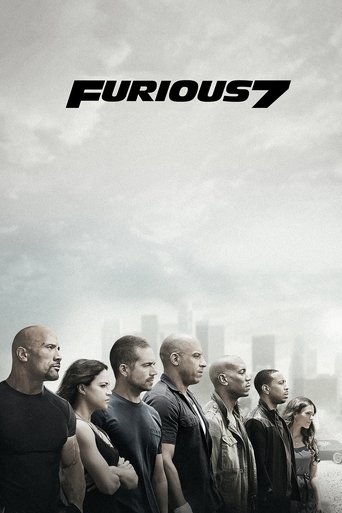 ★ 7.2
 ★ 8.2
 ★ 7.3
 ★ 7.4
 ★ 7.6
 ★ 7.5
 ★ 6.8
 ★ 6.9
 ★ 6.9
 ★ 7.4
 ★ 6.8
Adventure giantsAdventure giants
Watch all (13) ★ 8.2
 ★ 7.2
 ★ 8.2
 ★ 6.7
 ★ 7.1
 ★ 8.1
 ★ 6.7
 ★ 6.5
 ★ 7.5
 ★ 8.5
 ★ 6.2
 ★ 7.4
Science fiction giantsScience fiction giants
Watch all (13)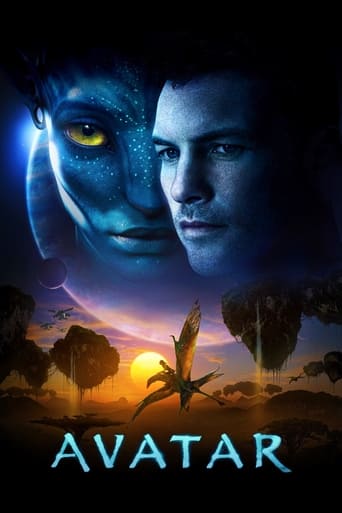 ★ 7.6
 ★ 8.1
 ★ 7.6
 ★ 6.0
 ★ 6.2
 ★ 7.6
 ★ 6.8
 ★ 7.9
 ★ 6.2
 ★ 6.8
 ★ 7.2
 ★ 8.1
Fantasy giantsFantasy giants
Watch all (13)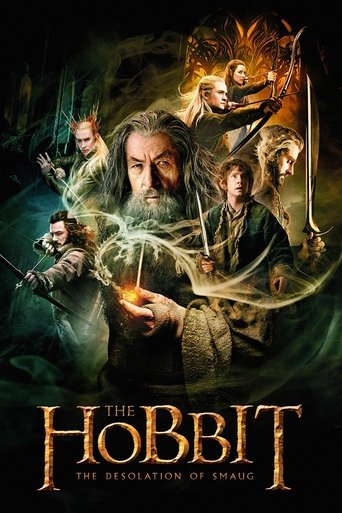 ★ 7.6
 ★ 7.2
 ★ 6.5
 ★ 7.3
 ★ 6.3
 ★ 6.4
 ★ 7.1
 ★ 7.4
 ★ 6.8
 ★ 7.9
 ★ 6.4
 ★ 7.7
Animation giantsAnimation giants
Watch all (13) ★ 8.2
 ★ 7.7
 ★ 7.5
 ★ 7.2
 ★ 7.8
 ★ 7.8
 ★ 7.0
 ★ 7.0
 ★ 7.8
 ★ 7.3
 ★ 7.3
 ★ 6.8
Family giantsFamily giants
Watch all (13) ★ 7.2
 ★ 7.6
 ★ 7.0
 ★ 6.4
 ★ 7.5
 ★ 7.2
 ★ 6.6
 ★ 6.2
 ★ 8.2
 ★ 7.3
 ★ 7.4
 ★ 8.0
Comedy giantsComedy giants
Watch all (13)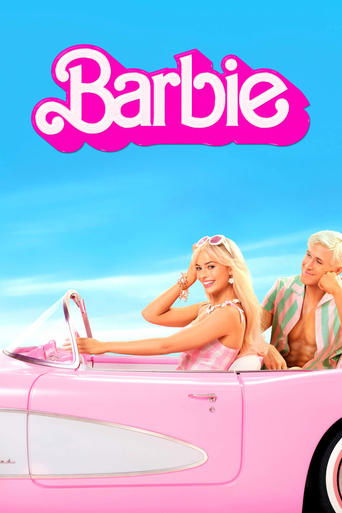 ★ 6.9
 ★ 6.4
 ★ 8.5
 ★ 7.0
 ★ 7.0
 ★ 6.5
 ★ 6.6
 ★ 6.5
 ★ 6.3
 ★ 7.9
 ★ 7.5
 ★ 7.3
Music giantsMusic giants
Watch all (13)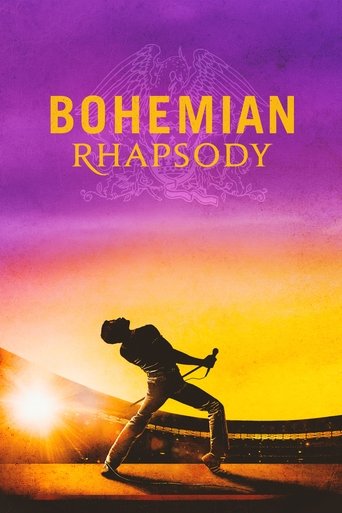 ★ 7.9
 ★ 7.5
 ★ 7.4
 ★ 6.8
 ★ 6.5
 ★ 6.6
 ★ 7.3
 ★ 6.7
 ★ 7.8
 ★ 6.9
 ★ 7.7
 ★ 6.9
Drama giantsDrama giants
Watch all (13)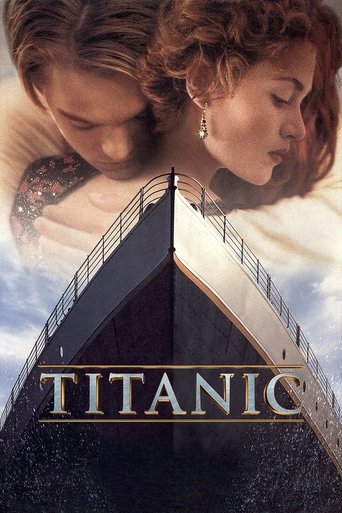 ★ 7.9
 ★ 8.0
 ★ 6.9
 ★ 7.5
 ★ 7.2
 ★ 5.9
 ★ 7.2
 ★ 7.9
 ★ 7.6
 ★ 6.9
 ★ 8.3
 ★ 8.2
Crime giantsCrime giants
Watch all (13)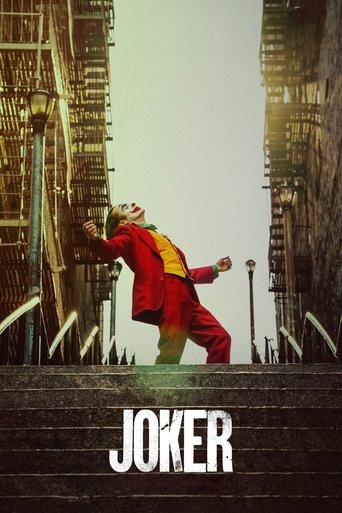 ★ 8.1
 ★ 7.7
 ★ 7.6
 ★ 6.9
 ★ 8.0
 ★ 6.8
 ★ 6.8
 ★ 6.8
 ★ 8.4
 ★ 6.7
 ★ 6.9
 ★ 8.3
Thriller giantsThriller giants
Watch all (13)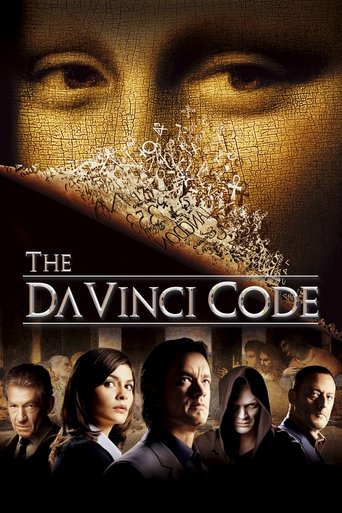 ★ 6.7
 ★ 6.7
 ★ 7.4
 ★ 7.5
 ★ 7.1
 ★ 6.7
 ★ 6.6
 ★ 5.8
 ★ 7.0
 ★ 7.3
 ★ 6.3
 ★ 6.8
Horror giantsHorror giants
Watch all (13)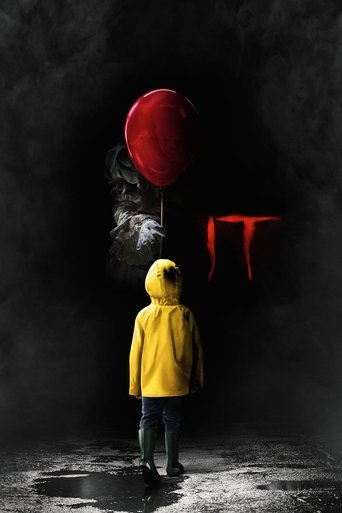 ★ 7.2
 ★ 6.9
 ★ 6.8
 ★ 7.7
 ★ 7.8
 ★ 7.5
 ★ 5.9
 ★ 7.2
 ★ 7.4
 ★ 7.3
 ★ 7.5
 ★ 7.0
The WatchMoviesOnline guide
The WatchMoviesOnline guide: the box-office giants
The box-office giants
WatchMoviesOnline is an English guide to the box-office giants. For twelve genres, from action and adventure to drama and horror, it keeps the thirteen films with the highest worldwide gross as TMDB records it, among the films released up to the end of 2025, and it ranks each shelf from the biggest to the smallest: 156 films in all, on twelve shelves grouped in three families, spectacle, laughter, song and family, and the dark side. Every film has an English synopsis, the cast, the director, the genres and a Watch now button that opens it on JustWatch, which shows where it can be watched in your country.
The idea comes from the old site itself. In 2017, the right column of watchmoviesonline.co carried a widget called ALL TIME TOP 10, which opened with Titanic and Avatar, the two biggest films of the age; this guide widens that list to twelve genres and asks of each of them which films sold the most tickets around the world. Together the 156 films took about $125.5 billion at the box office, as TMDB records it, against budgets of about $19.7 billion, and 46 of them passed a billion dollars. The biggest is Avengers: Endgame, of 2019, with $2.94 billion, just ahead of Avatar, of 2009, with $2.92 billion. The guide Start with WatchMoviesOnline picks one giant from each family for a first evening, and the guide How the giants were chosen sets out the rules.
A box-office giant is a different thing from a classic. The highest-grossing films of the guide are rated 7.19 on average on TMDB, well below the guides built on ratings alone, and they range from Forrest Gump and The Lord of the Rings: The Return of the King, with an 8.5 each, to the Planet of the Apes of 2001, with a 5.8, and Battleship and Fifty Shades of Grey, with a 5.9. What they share is their reach. They are the films that brought families, couples and groups of friends to the cinema in the largest numbers, the sequels that studios built their years around and, now and then, a small film that surprised everyone, from The Intouchables to Home Alone.
The three families
The first family, Spectacle, gathers the four shelves of the great event films: Action giants, Adventure giants, Science fiction giants and Fantasy giants. Its 52 films took about $61.4 billion, almost half of the gross of the whole guide, and every one of its 26 action and adventure films passed a billion dollars. It is the family of Marvel, Star Wars, Jurassic World, Avatar and the Hobbit, and the guide Spectacle sums it up.
The second family, Laughter, song and family, gathers Animation giants, Family giants, Comedy giants and Music giants. Its 52 films took about $39 billion, from the animated sequels of Pixar, Disney and Illumination to Barbie, Forrest Gump and Bohemian Rhapsody, and the guide Laughter, song and family sums it up.
The third family, The dark side, gathers Drama giants, Crime giants, Thriller giants and Horror giants. Its 52 films took about $25.1 billion, led by Titanic and Joker, and it holds most of the guide's smaller budgets and biggest returns, from Jaws and The Exorcist to The Conjuring. The guide The dark side sums it up.
Three more lists cut across the shelves. Billion-dollar films gathers the 46 films that grossed a billion dollars or more, biggest first; Before 2000 gathers the thirteen oldest, from The Jungle Book of 1967 to Titanic of 1997; and Since 2020 gathers the 32 newest, from Bad Boys for Life to the films of 2025.
How the giants were chosen
Each film counts for a single genre: the first genre that TMDB gives it. This is why Titanic sits among the dramas rather than the romances, why Toy Story and Coco sit among the family films while Toy Story 3 and Finding Nemo sit among the animated films, and why Ocean's Eleven is a thriller while Ocean's Thirteen is a crime film. The pool for each genre held every film with that first genre and at least 300 votes on TMDB, released up to the end of 2025; the films of 2026, still in cinemas while this guide was made, were left aside so that their grosses could settle, and so were two concert films. Each shelf then kept the thirteen highest grosses.
The figures are the worldwide grosses as TMDB records them, in dollars of the year of release, uncorrected for inflation, so a ticket of 1967 counts for far less than a ticket of 2019. Where TMDB includes later re-releases in a film's total, as for The Jungle Book, Jaws, Titanic and Avatar, the guide keeps that total. TMDB's figures sometimes differ from those of the trade press; the guide follows TMDB throughout. Each card shows the gross on a maroon band at the bottom of the poster, rounded to two decimals in billions or to the nearest million. The guide The directors lists the directors who appear most often, and the guide The stars does the same for the actors.
Spectacle
The first family of the guide holds the event films: 52 films that together took about $61.4 billion, as TMDB records it, almost half of the gross of the whole guide. Its four shelves run from the superhero films and car chases of the action shelf to the quests of the fantasy shelf, and they are dominated by a handful of series: the Marvel films, with fifteen titles across the four shelves, Star Wars, Jurassic World, Avatar, the Transformers, the Hobbit and the Planet of the Apes. All 26 films of the action and adventure shelves passed a billion dollars.
Action giants
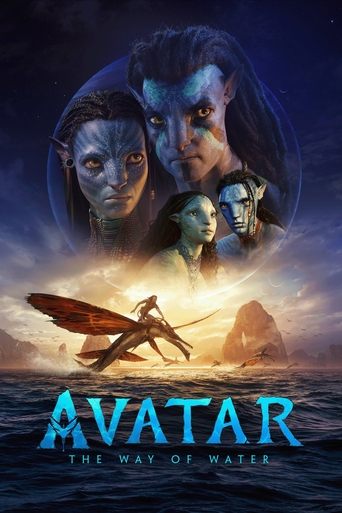
The shelf Action giants holds thirteen films from 2011 to 2024 that together took about $17.7 billion, and every one of them grossed more than a billion dollars. The biggest is Avatar: The Way of Water, by James Cameron, of 2022, with $2.33 billion and 192 minutes: thirteen years after the first film, Jake Sully, played by Sam Worthington, and Neytiri, played by Zoe Saldaña, flee with their children to the reef people of Pandora's oceans. The Fast and Furious saga follows with two films: Furious 7, by James Wan, of 2015, with $1.52 billion, the last film of Paul Walker, who died during the shoot and whose farewell closes the film, and The Fate of the Furious, by F. Gary Gray, of 2017, with $1.24 billion, in which Vin Diesel's Dom turns against his own crew.
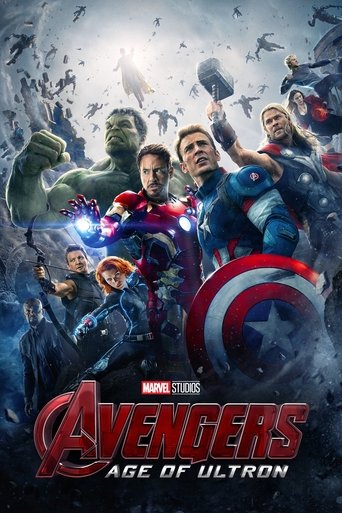
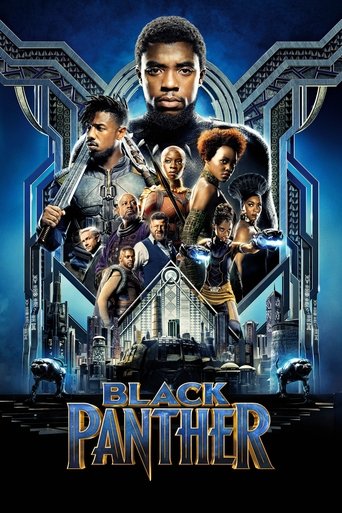
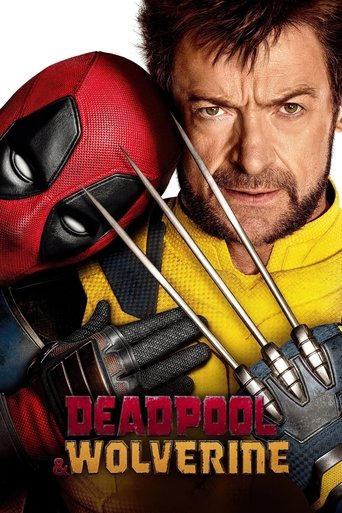
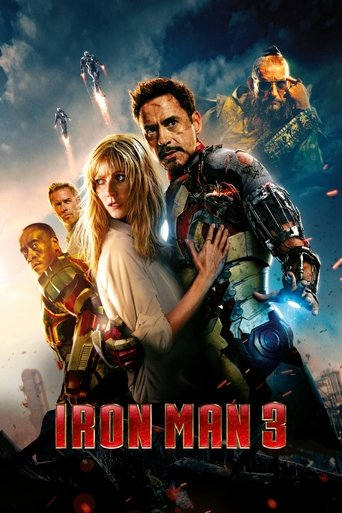
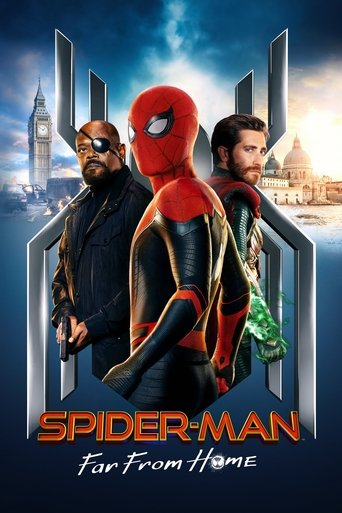
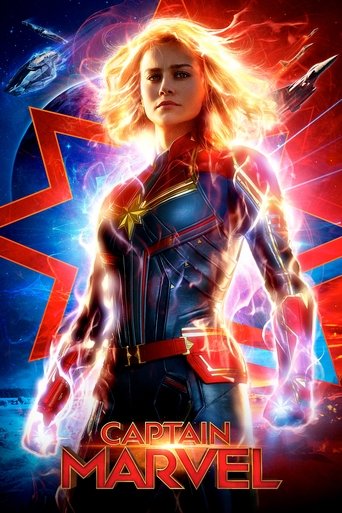
The best rated film of the shelf is Top Gun: Maverick, by Joseph Kosinski, of 2022, with an 8.2 and $1.49 billion: thirty-six years after the first film, Tom Cruise returns as the pilot Pete Mitchell to train a group of young aviators, among them the son of his dead friend Goose, played by Miles Teller, for a nearly impossible mission. Marvel holds six of the thirteen places. Avengers: Age of Ultron, by Joss Whedon, of 2015, with $1.41 billion, turns an artificial intelligence against its makers; Black Panther, by Ryan Coogler, of 2018, with $1.35 billion, takes Chadwick Boseman as King T'Challa to the hidden kingdom of Wakanda, with Michael B. Jordan as his rival; Deadpool & Wolverine, by Shawn Levy, of 2024, with $1.34 billion, pairs Ryan Reynolds and Hugh Jackman and is the biggest R-rated film of the guide, ahead of Joker; Iron Man 3, by Shane Black, of 2013, with $1.22 billion; Spider-Man: Far From Home, by Jon Watts, of 2019, with $1.13 billion, sends Tom Holland on a school trip to Europe; and Captain Marvel, by Ryan Fleck, of 2019, also with $1.13 billion, gives Brie Larson the title role.
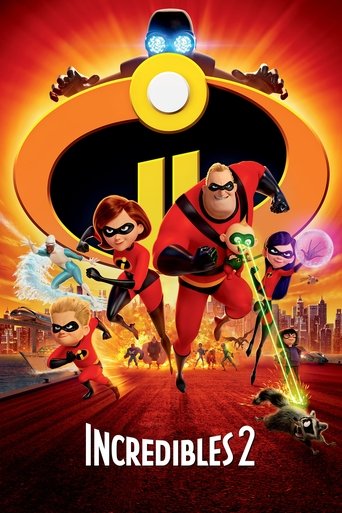
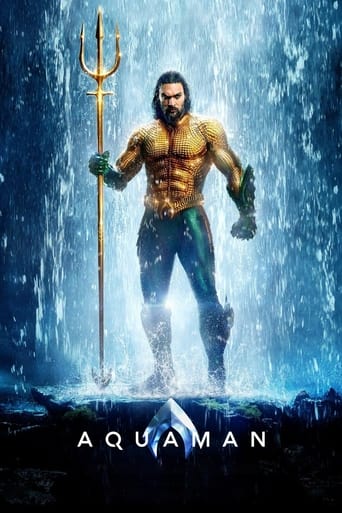
The rest of the shelf mixes superheroes and machines. Incredibles 2, by Brad Bird, of 2018, with $1.24 billion, brings back the Parr family fourteen years after the first film, with Helen as the hero and Bob at home with the baby; Aquaman, by James Wan, of 2018, with $1.15 billion, the biggest DC film of the guide, sends Jason Momoa under the sea; and Transformers: Dark of the Moon, by Michael Bay, of 2011, with $1.12 billion, the oldest film of the shelf, sets the robots loose on Chicago. James Wan thus has two of the thirteen action giants. The guide The action hits sums them up.
Adventure giants
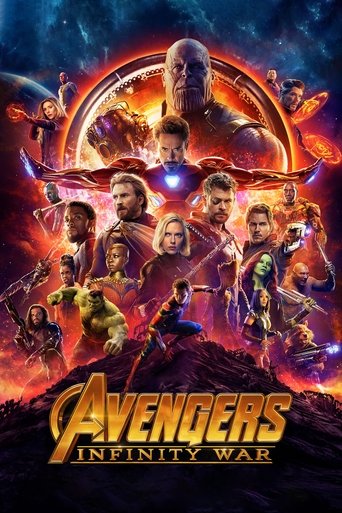
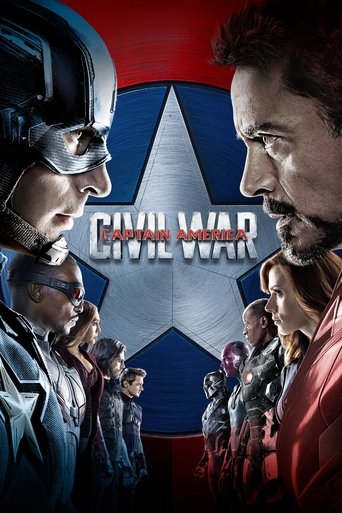
The shelf Adventure giants holds thirteen films from 2003 to 2024 that together took about $19.9 billion, the most of any shelf, and here too every film passed a billion dollars. At its head is the biggest film of the guide, Avengers: Endgame, by Anthony and Joe Russo, of 2019, with $2.94 billion, 181 minutes and an 8.2: after Thanos has wiped out half of all life, the surviving Avengers travel through time to undo his victory. Its first part, Avengers: Infinity War, of 2018, with $2.05 billion and an 8.2, sits at third place, and Captain America: Civil War, of 2016, by the same directors, with $1.16 billion, splits the team in two.
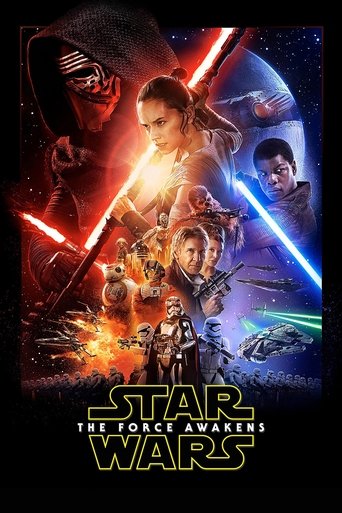
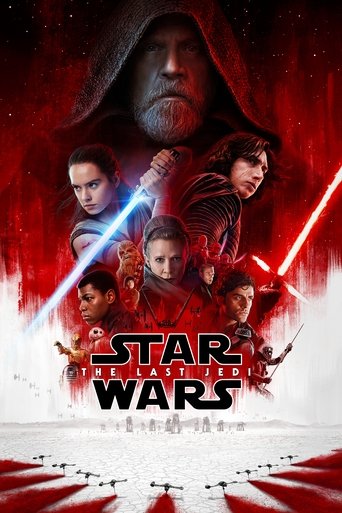
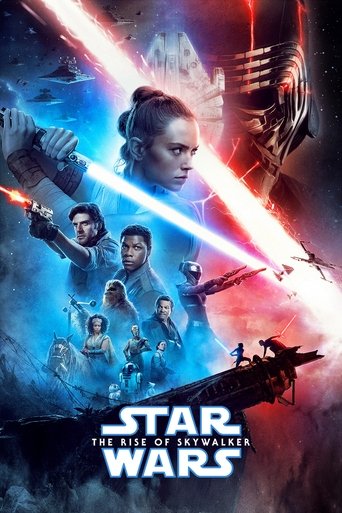
Star Wars holds three places. Star Wars: The Force Awakens, by J.J. Abrams, of 2015, with $2.07 billion, the second biggest film of the shelf, brings back Han Solo, Leia and Luke Skywalker thirty-two years after the original trilogy and introduces Rey, played by Daisy Ridley, Finn and Kylo Ren; Star Wars: The Last Jedi, by Rian Johnson, of 2017, with $1.33 billion, and Star Wars: The Rise of Skywalker, by J.J. Abrams, of 2019, with $1.07 billion, close the trilogy, the last with the biggest budget of the guide, $490 million as TMDB records it.
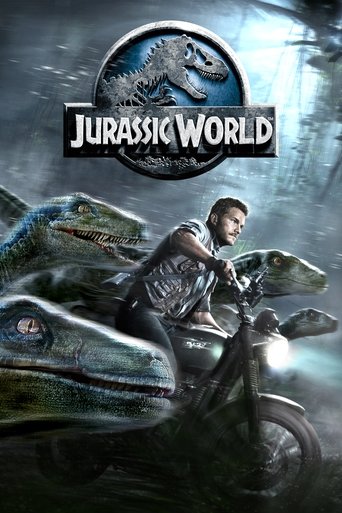
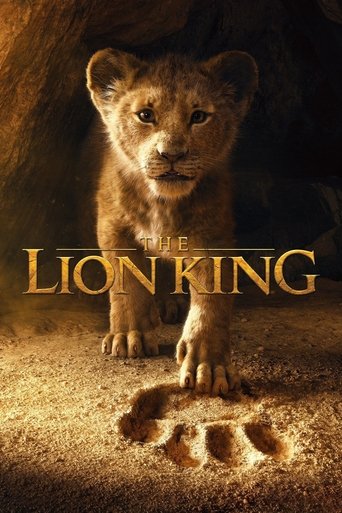
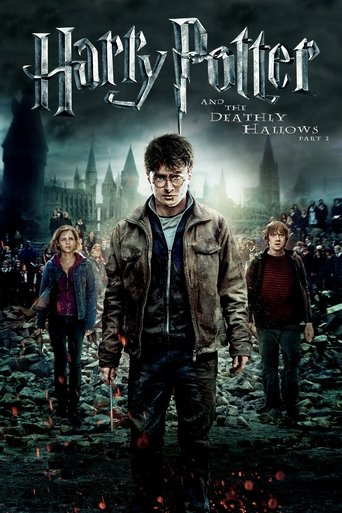
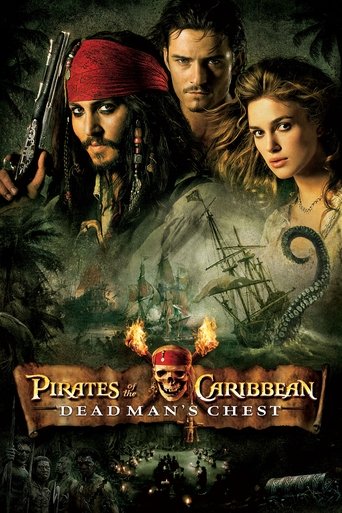
The dinosaurs hold two places, with Jurassic World, by Colin Trevorrow, of 2015, with $1.67 billion, in which a park opens again on Isla Nublar with a new hybrid dinosaur, and Jurassic World: Fallen Kingdom, by J. A. Bayona, of 2018, with $1.31 billion, both with Chris Pratt and Bryce Dallas Howard. The Lion King, by Jon Favreau, of 2019, with $1.66 billion, remakes the Disney cartoon of 1994 with photorealistic animals; Harry Potter and the Deathly Hallows: Part 2, by David Yates, of 2011, with $1.34 billion and an 8.1, closes the saga with the battle of Hogwarts; and Pirates of the Caribbean: Dead Man's Chest, by Gore Verbinski, of 2006, with $1.07 billion, sends Johnny Depp's Jack Sparrow after the heart of Davy Jones.
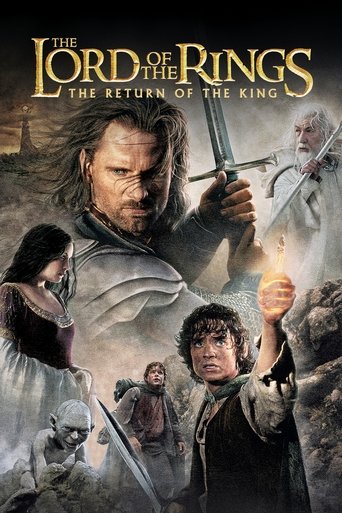
The oldest film of the shelf is also its best rated: The Lord of the Rings: The Return of the King, by Peter Jackson, of 2003, with an 8.5, $1.12 billion and 201 minutes, the longest film of the guide and the winner of eleven Academy Awards, including best picture, in which Frodo and Sam reach Mount Doom while the armies of the West march on the Black Gate. The newest is Moana 2, of 2024, with $1.06 billion, in which Moana, voiced again by Auliʻi Cravalho, sails beyond the reef to find a lost island, with Dwayne Johnson as the demigod Maui. The guide The adventure hits sums them up.
Science fiction giants
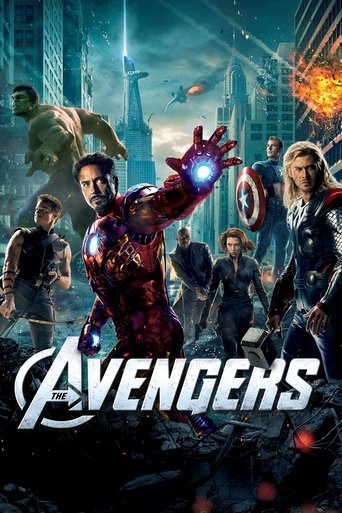
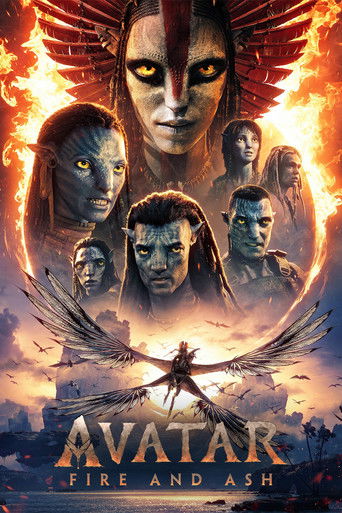
The shelf Science fiction giants holds thirteen films from 2009 to 2025 that together took about $14.2 billion. James Cameron owns the top of it. Avatar, of 2009, with $2.92 billion, the second biggest film of the guide, follows a paralysed marine, Jake Sully, who takes control of an alien body on the moon Pandora and joins the Na'vi against the mining company that wants their land, in the 3D that changed the cinemas of its decade; Avatar: Fire and Ash, of 2025, with $1.49 billion and 198 minutes, the third film of the saga, sets the Sully family against a fire-worshipping clan of the Na'vi. Between them sits The Avengers, by Joss Whedon, of 2012, with $1.52 billion and an 8.1, the first gathering of the Marvel heroes against Loki over New York.
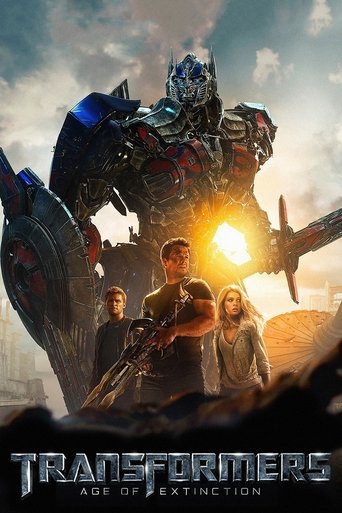
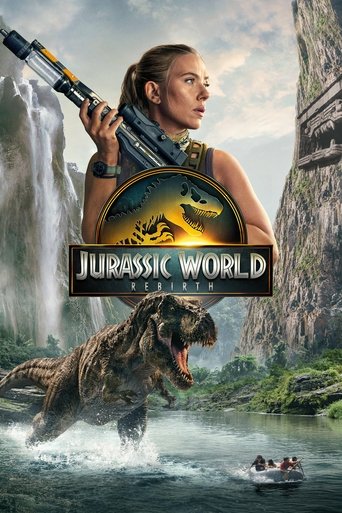
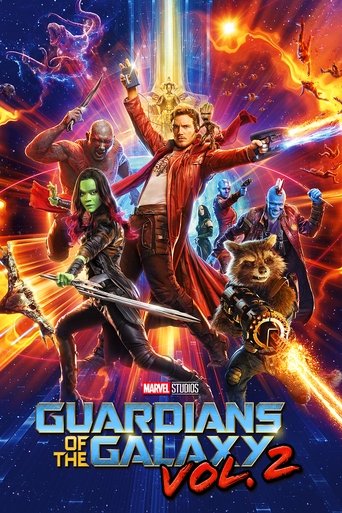
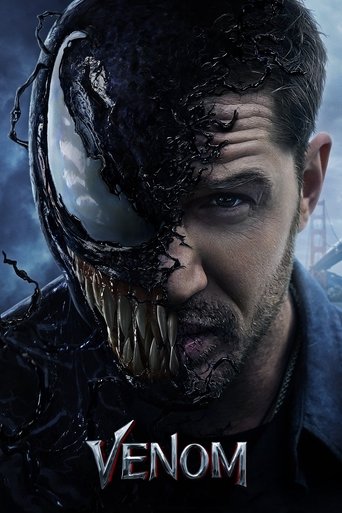
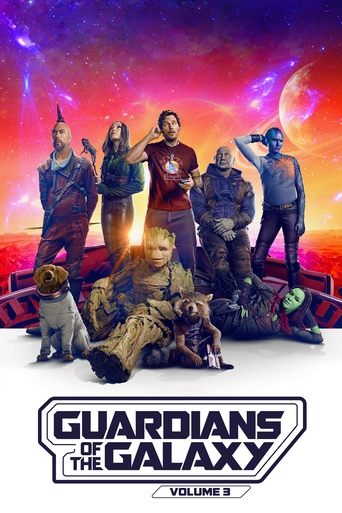
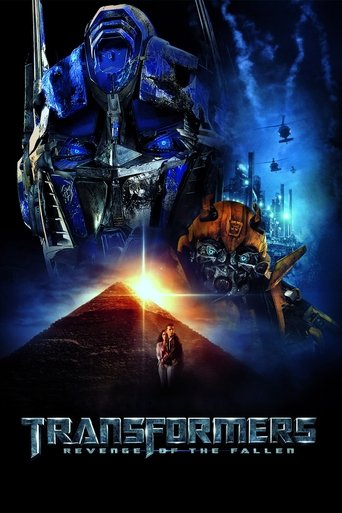
The robots and the dinosaurs follow. Transformers: Age of Extinction, by Michael Bay, of 2014, with $1.11 billion, gives the saga a new hero, played by Mark Wahlberg, and dinosaur robots; Transformers: Revenge of the Fallen, of 2009, with $836 million, is the second film of the series; and Jurassic World Rebirth, by Gareth Edwards, of 2025, with $869 million, sends Scarlett Johansson and Mahershala Ali to an island research station to collect the blood of three giant species. James Gunn's Guardians of the Galaxy Vol. 2, of 2017, with $864 million, and Guardians of the Galaxy Vol. 3, of 2023, with $846 million and a 7.9, bring back Star-Lord, Gamora, Drax, Rocket and Groot, the third film telling at last the origin of the raccoon. Venom, by Ruben Fleischer, of 2018, with $856 million, gives Tom Hardy the role of a reporter bonded to an alien symbiote.
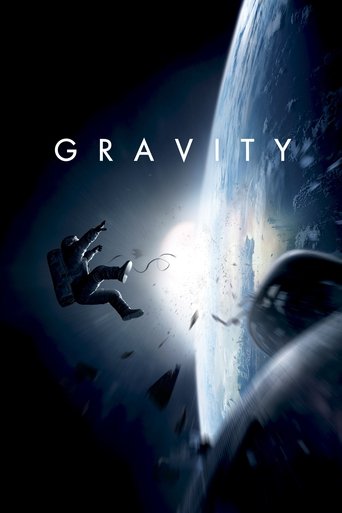
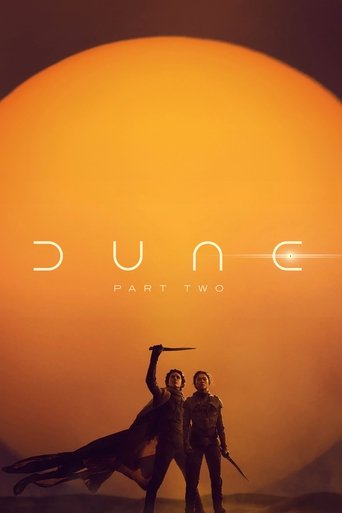
The quieter science fiction of the shelf did just as well. Gravity, by Alfonso Cuarón, of 2013, with $723 million and 91 minutes, the shortest film of the shelf, leaves Sandra Bullock and George Clooney adrift in orbit after debris destroys their shuttle; Dune: Part Two, by Denis Villeneuve, of 2024, with $715 million and an 8.1, level with The Avengers as the best rated film of the shelf, follows Paul Atreides, played by Timothée Chalamet, among the Fremen of the desert planet Arrakis; and Dawn of the Planet of the Apes, by Matt Reeves, of 2014, with $711 million, sets the apes of Caesar, played by Andy Serkis, against the last humans of San Francisco. The Hunger Games: Mockingjay - Part 1, by Francis Lawrence, of 2014, with $755 million, turns Katniss Everdeen, played by Jennifer Lawrence, into the symbol of a rebellion. The guide The science fiction hits sums them up.
Fantasy giants
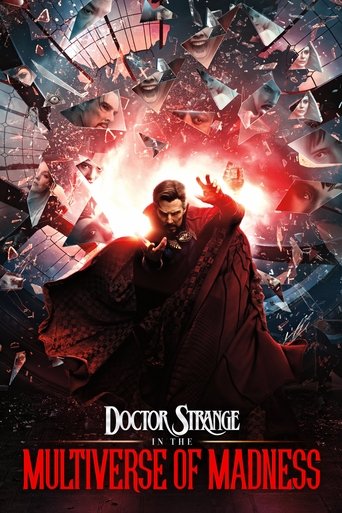
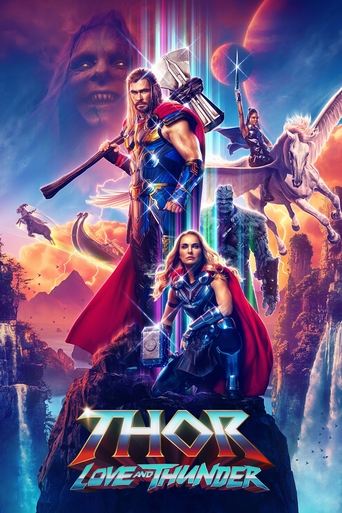
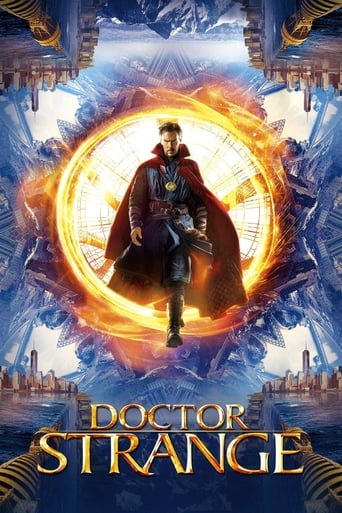
The shelf Fantasy giants holds thirteen films from 2006 to 2025 that together took about $9.7 billion, and it is the only shelf of the family where every film stays below a billion: the biggest is The Hobbit: The Desolation of Smaug, by Peter Jackson, of 2013, with $958 million, in which Bilbo and the dwarves reach the Lonely Mountain and wake the dragon Smaug, voiced by Benedict Cumberbatch. Close behind it, with $956 million, is Doctor Strange in the Multiverse of Madness, by Sam Raimi, of 2022, in which Cumberbatch, now as Stephen Strange, crosses parallel universes; Cumberbatch's first Doctor Strange, by Scott Derrickson, of 2016, with $676 million, is here too, as is Thor: Love and Thunder, by Taika Waititi, of 2022, with $761 million.
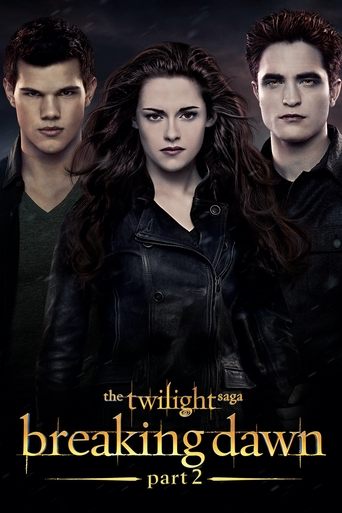
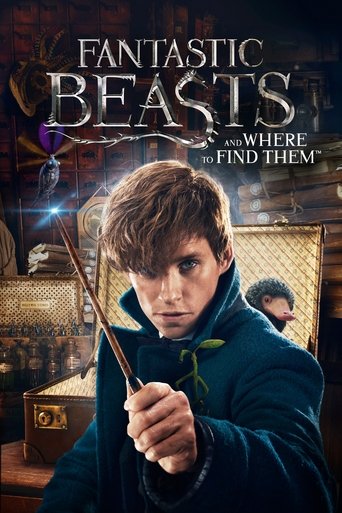
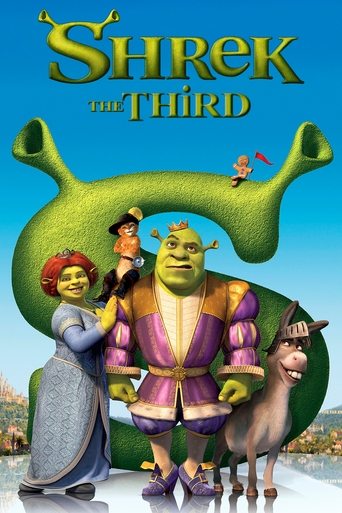
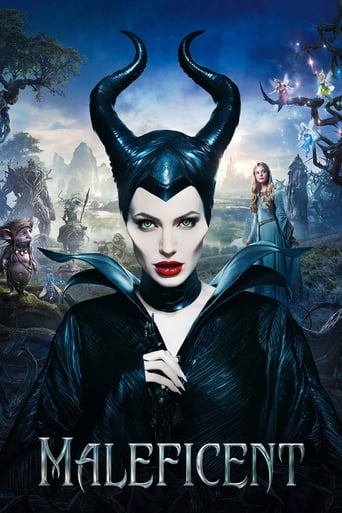
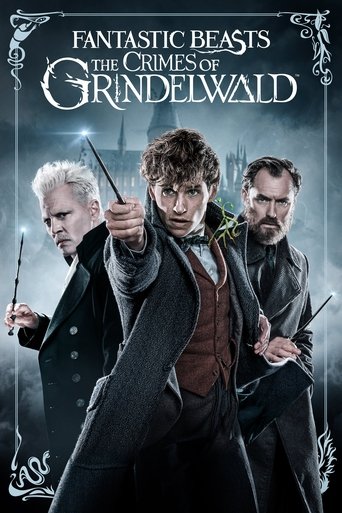
The wizarding world returns with two films of David Yates, Fantastic Beasts and Where to Find Them, of 2016, with $809 million, in which the magizoologist Newt Scamander, played by Eddie Redmayne, loses a case of magical creatures in the New York of 1926, and Fantastic Beasts: The Crimes of Grindelwald, of 2018, with $655 million. The Twilight Saga: Breaking Dawn - Part 2, by Bill Condon, of 2012, with $830 million, closes the vampire saga of Kristen Stewart and Robert Pattinson; Shrek the Third, of 2007, with $808 million, sends the ogre in search of an heir to the throne of Far Far Away; and Maleficent, by Robert Stromberg, of 2014, with $759 million, retells Sleeping Beauty from the side of its fairy, played by Angelina Jolie.
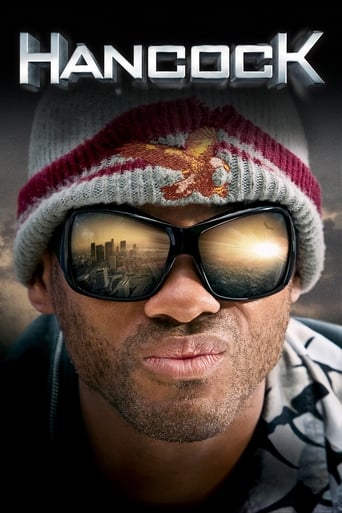
The dragons of DreamWorks hold two places. How to Train Your Dragon 2, by Dean DeBlois, of 2014, with $622 million, is the animated sequel, and How to Train Your Dragon, of 2025, by the same director, with $637 million and a 7.9, the best rated film of the shelf, remakes the first film in live action, with Mason Thames as Hiccup. Hancock, by Peter Berg, of 2008, with $629 million, gives Will Smith the role of a drunken superhero, and Night at the Museum, by Shawn Levy, of 2006, with $574 million, the oldest film of the shelf, brings the exhibits of the American Museum of Natural History to life around a night guard played by Ben Stiller. The guide The fantasy hits sums them up.
Laughter, song and family
The second family of the guide holds 52 films that together took about $39 billion, as TMDB records it. Its four shelves are the cinema of the whole family: the animated films of Pixar, Disney, DreamWorks, Illumination and Blue Sky, the live-action fairy tales and game adaptations of the family shelf, the comedies from Home Alone to Barbie, and the music films, from the biopics of Freddie Mercury and Elvis to the dance films of the Step Up series. It holds the oldest film of the guide, The Jungle Book, of 1967, and three films from China and India.
Animation giants
The shelf Animation giants holds thirteen films from 2003 to 2025 that together took about $15.7 billion, and six of them passed a billion dollars. At its head is a Chinese film, Ne Zha 2, by Jiao Zi, of 2025, with $2.27 billion and an 8.2, the best rated film of the shelf and, as TMDB records it, the biggest animated film of all time: the demon child Ne Zha and the dragon prince Ao Bing, whose bodies were destroyed in the first film, fight to rebuild them and face the immortals of heaven. Its budget of $80 million makes it one of the best returns of the guide, about 28 times its cost.
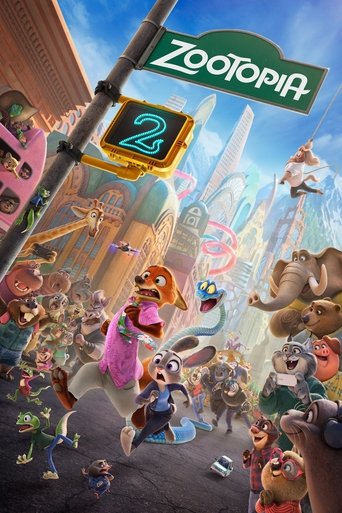
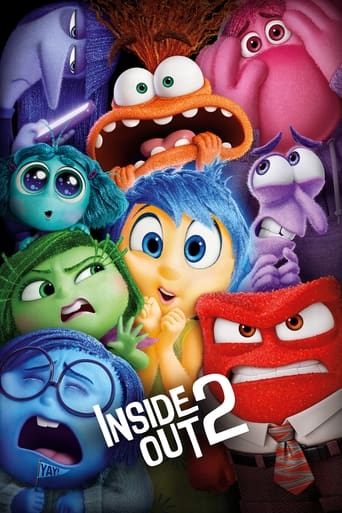
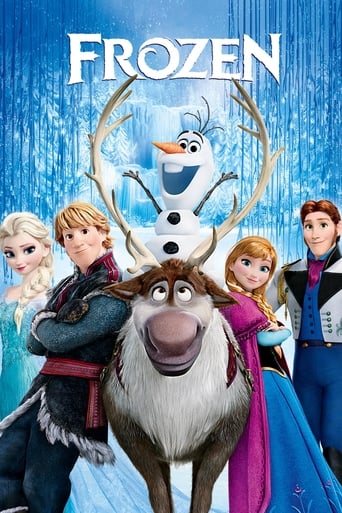
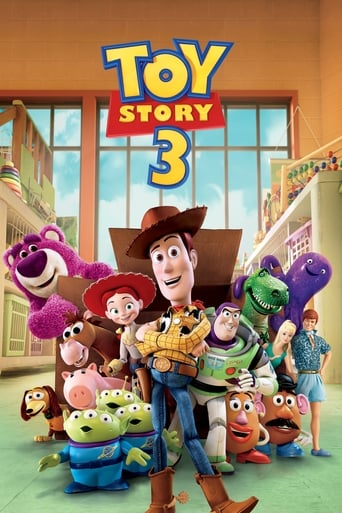
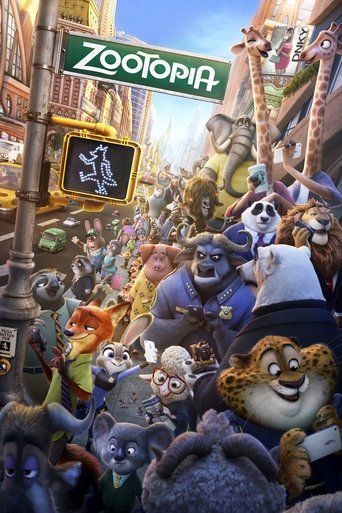
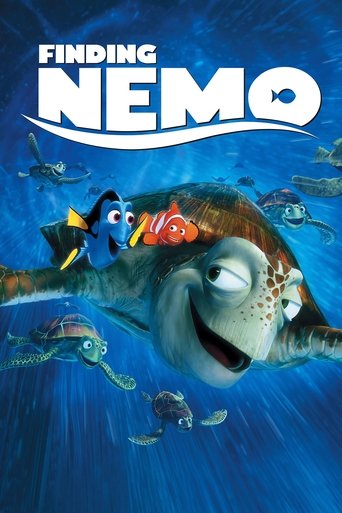
Disney holds the next places. Zootopia 2, by Jared Bush, of 2025, with $1.87 billion, sends the rabbit officer Judy Hopps and the fox Nick Wilde after a mysterious snake, and its first film, Zootopia, of 2016, sits at sixth place with $1.03 billion; Frozen, by Chris Buck and Jennifer Lee, of 2013, with $1.27 billion, follows Princess Anna across the snow in search of her sister Elsa, whose powers have frozen their kingdom, to the song Let It Go. Pixar answers with Inside Out 2, by Kelsey Mann, of 2024, with $1.70 billion, the third biggest animated film of the guide, in which Anxiety joins Joy, Sadness, Anger, Fear and Disgust in the mind of a teenage Riley, and with Toy Story 3, by Lee Unkrich, of 2010, with $1.07 billion and a 7.8, in which the toys are sent to a daycare centre when Andy leaves for college, and Finding Nemo, by Andrew Stanton, of 2003, with $940 million and a 7.8, the oldest film of the shelf.
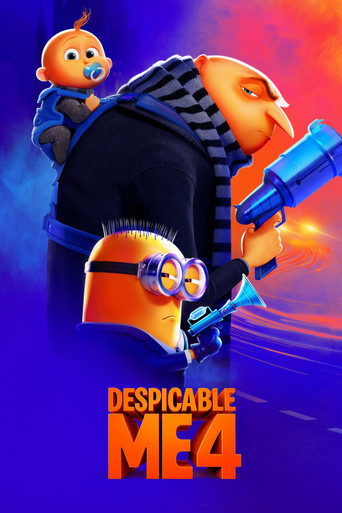
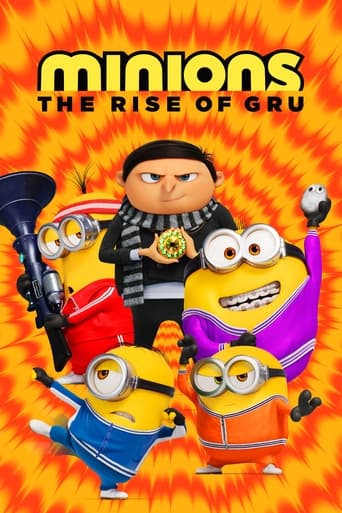
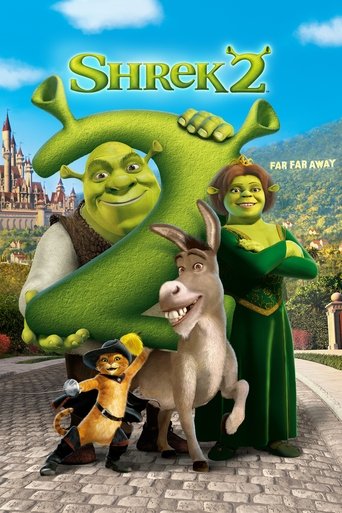
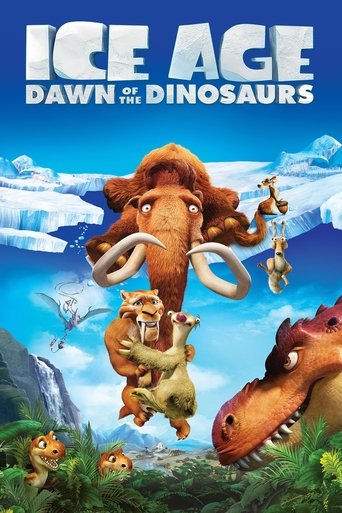
Illumination has three films, all built around Gru: Despicable Me 4, of 2024, with $972 million, Despicable Me 2, of 2013, with $971 million, and Minions: The Rise of Gru, of 2022, with $940 million and 87 minutes, the shortest film of the shelf. Steve Carell voices Gru in all three. DreamWorks has Shrek 2, of 2004, with $933 million, in which Shrek meets the parents of Fiona, and Blue Sky two Ice Age films, Ice Age: Dawn of the Dinosaurs, of 2009, with $887 million, and Ice Age: Continental Drift, of 2012, with $877 million, in which Manny, Sid and Diego drift away on an iceberg. The guide The animation hits sums them up.
Family giants
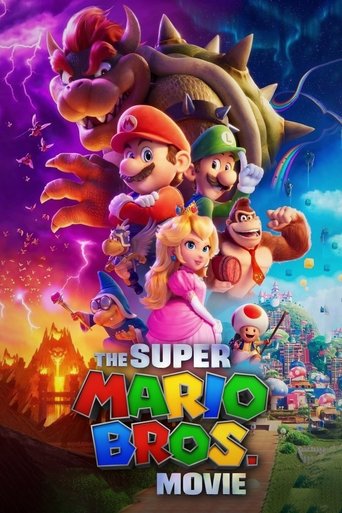
The shelf Family giants holds thirteen films from 1967 to 2025 that together took about $11.9 billion, and seven of them passed a billion. They are the films whose first genre on TMDB is the family film, and they mix animation and live action. The biggest is Frozen II, by Jennifer Lee and Chris Buck, of 2019, with $1.45 billion, in which Elsa follows a voice into an enchanted forest in search of the origin of her powers. The Super Mario Bros. Movie, of 2023, with $1.36 billion, the biggest film made from a video game, sends Mario, voiced by Chris Pratt, and Princess Peach, voiced by Anya Taylor-Joy, against Bowser; A Minecraft Movie, by Jared Hess, of 2025, with $960 million, drops Jack Black and Jason Momoa into the world of blocks.
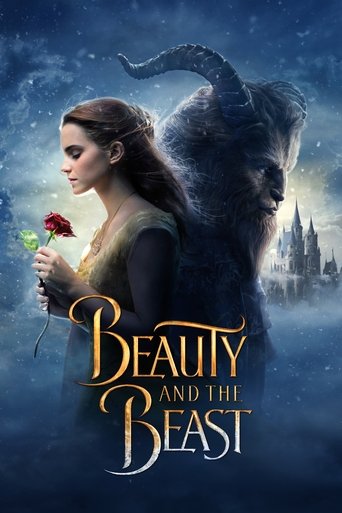
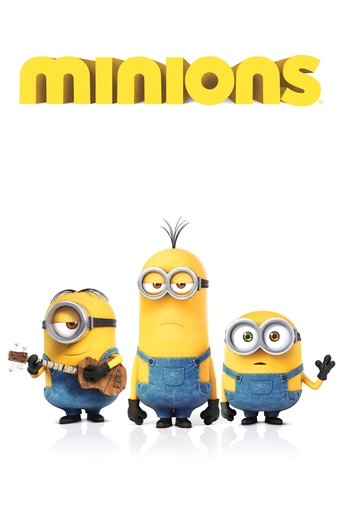
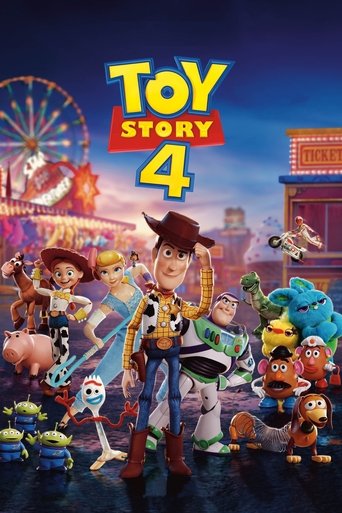
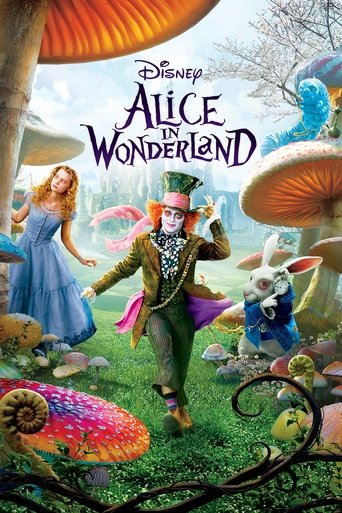
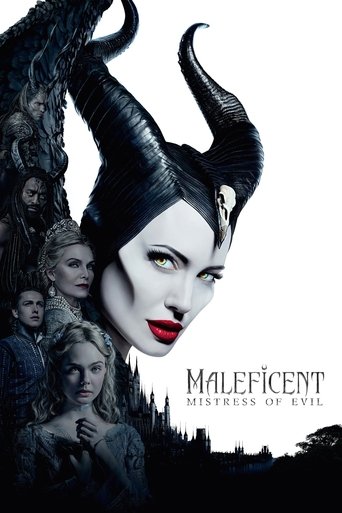
Disney's live-action versions of its own cartoons hold four places: Beauty and the Beast, by Bill Condon, of 2017, with $1.27 billion, with Emma Watson as Belle; Lilo & Stitch, by Dean Fleischer Camp, of 2025, with $1.04 billion; Alice in Wonderland, by Tim Burton, of 2010, with $1.03 billion, with Johnny Depp as the Mad Hatter; and Maleficent: Mistress of Evil, of 2019, with $492 million. Minions, of 2015, with $1.16 billion, follows the yellow henchmen in search of a new master before Gru, and Toy Story 4, of 2019, with $1.07 billion, sends Woody on a road trip with a homemade toy, Forky.
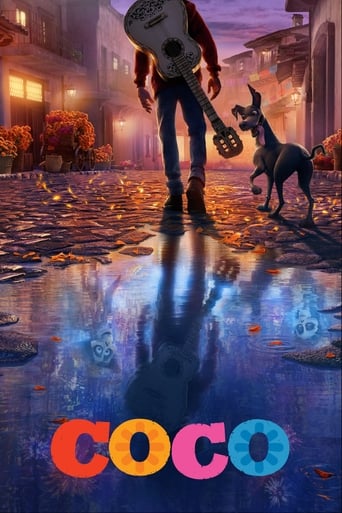
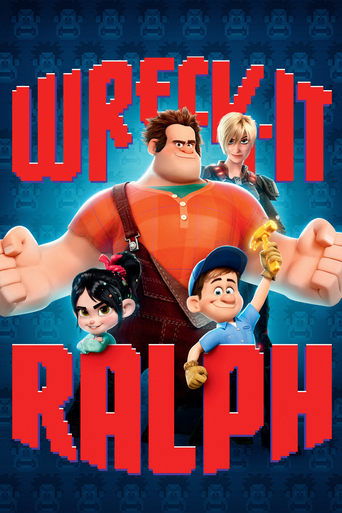
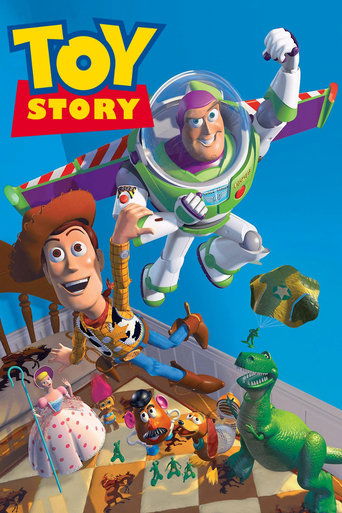
The best rated films of the shelf are Coco, by Lee Unkrich, of 2017, with an 8.2 and $815 million, in which a boy of a Mexican village crosses into the Land of the Dead in search of a musician, and the first Toy Story, by John Lasseter, of 1995, with an 8.0, $401 million and 81 minutes, the first feature film made entirely by computer, on a budget of $30 million. Wreck-It Ralph, of 2012, with $471 million, follows the villain of an arcade game who wants to be a hero. The oldest film of the guide closes the shelf: The Jungle Book, by Wolfgang Reitherman, of 1967, with $378 million as TMDB records it, a figure that counts its many re-releases, on a budget of $4 million, the last animated film overseen by Walt Disney himself, who died during its production. At 78 minutes it is also the shortest film of the guide. The guide The family hits sums them up.
Comedy giants
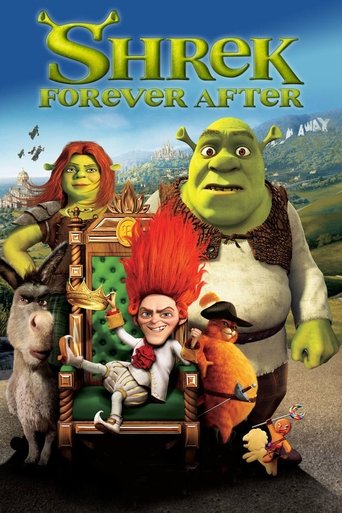
The shelf Comedy giants holds thirteen films from 1990 to 2024 that together took about $8.2 billion. Only one passed a billion dollars, and it is the biggest live-action comedy of the guide: Barbie, by Greta Gerwig, of 2023, with $1.45 billion, in which Margot Robbie's Barbie and Ryan Gosling's Ken leave the pink perfection of Barbieland for the real Los Angeles, a summer success that the press paired with Oppenheimer, released the same day. Far behind it comes Shrek Forever After, by Mike Mitchell, of 2010, with $753 million, the fourth Shrek film, in which the ogre signs away a day of his life to Rumpelstiltskin.
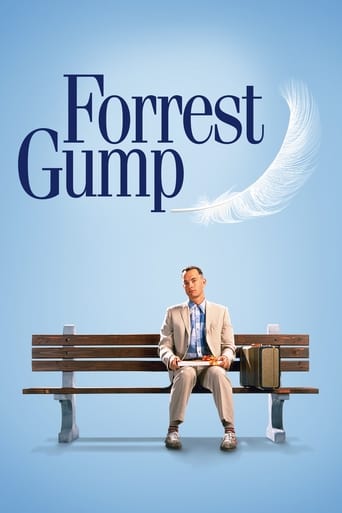
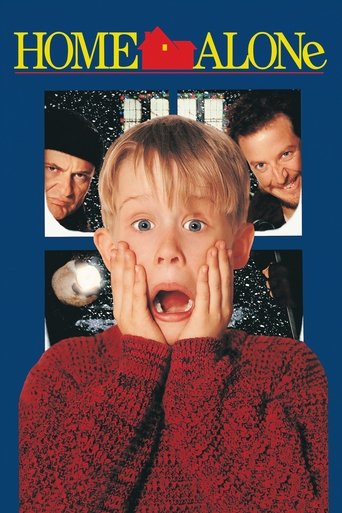
The best rated film of the shelf is Forrest Gump, by Robert Zemeckis, of 1994, with an 8.5 and $677 million, one of the two best rated films of the guide: Tom Hanks, who won his second Academy Award in a row, plays a kind man of Alabama who drifts through thirty years of American history, from Elvis to Vietnam and Watergate, in love all the while with Jenny, played by Robin Wright. Home Alone, by Chris Columbus, of 1990, the oldest film of the shelf, with $477 million on a budget of $18 million, leaves Macaulay Culkin alone at Christmas in Chicago against two burglars, played by Joe Pesci and Daniel Stern.
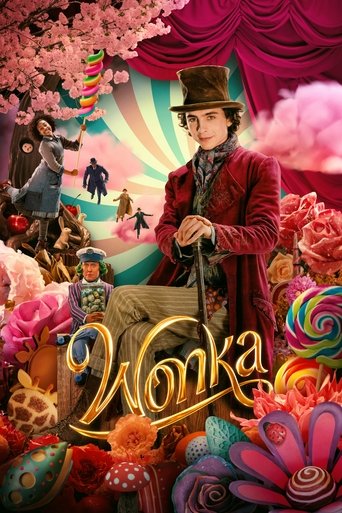
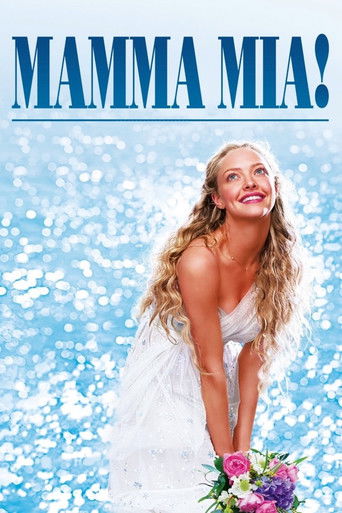
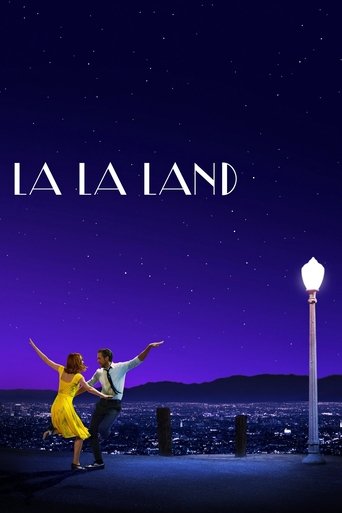
The songs of the shelf belong to two musicals. Mamma Mia!, by Phyllida Lloyd, of 2008, with $610 million on a budget of $52 million, sets the songs of ABBA on a Greek island, with Meryl Streep, Amanda Seyfried and Pierce Brosnan, and La La Land, by Damien Chazelle, of 2016, with $509 million on a budget of $30 million, follows an actress and a jazz pianist of Los Angeles, played by Emma Stone and Ryan Gosling, who thus appears twice on the shelf. Wonka, by Paul King, of 2023, with $635 million, tells the young years of Willy Wonka, played by Timothée Chalamet, with songs as well.
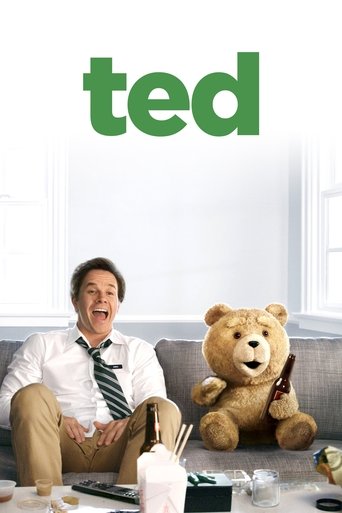
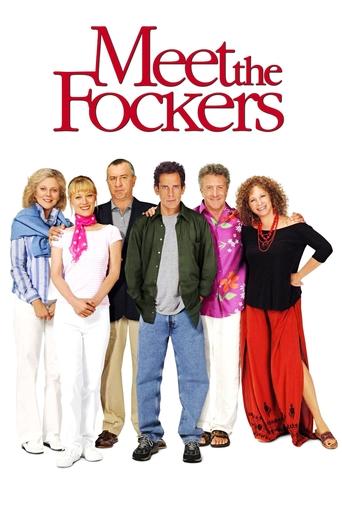
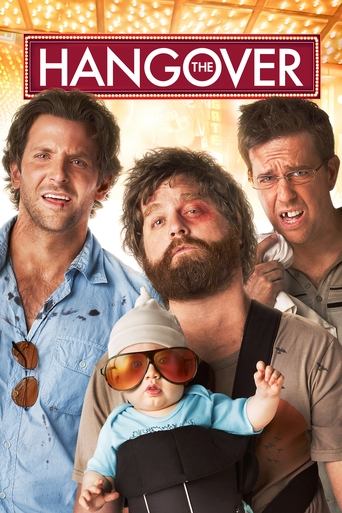
The adult comedies of the shelf come from Todd Phillips, Seth MacFarlane and Jay Roach. The Hangover, of 2009, with $469 million on $35 million, sends three friends, played by Bradley Cooper, Ed Helms and Zach Galifianakis, in search of the groom they lost during a bachelor party in Las Vegas, and The Hangover Part II, of 2011, with $587 million, moves the same chaos to Bangkok; Ted, of 2012, with $549 million, pairs Mark Wahlberg with a foul-mouthed teddy bear voiced by MacFarlane himself; and Meet the Fockers, of 2004, with $517 million, introduces the parents of Ben Stiller, played by Dustin Hoffman and Barbra Streisand, to the parents of his fiancée, led by Robert De Niro. China gives the shelf The Mermaid, by Stephen Chow, of 2016, with $554 million, a fable about a mermaid sent to kill a developer whose project threatens her people, and Tim Burton closes it with Beetlejuice Beetlejuice, of 2024, with $452 million, thirty-six years after the first film, with Michael Keaton and Winona Ryder. The guide The comedy hits sums them up.
Music giants
The shelf Music giants holds thirteen films from 1980 to 2024 that together took about $3.2 billion, the smallest total of the guide, and it shows how far the music film sits from the blockbusters of the first family: its thirteenth film, La Vie en Rose, of 2007, took $86 million, the smallest gross of the guide. Its first film, Bohemian Rhapsody, by Bryan Singer, of 2018, with $911 million on a budget of $52 million and a 7.9, the best rated film of the shelf, follows Freddie Mercury, played by Rami Malek, who won an Academy Award, from the founding of Queen to the Live Aid concert of 1985.
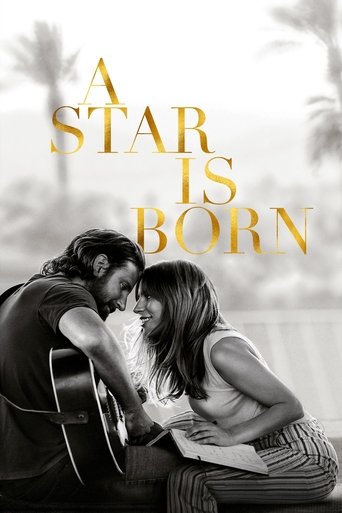
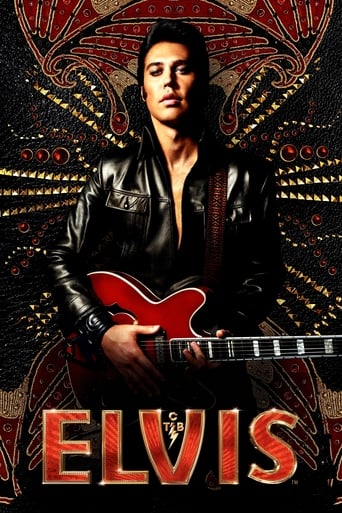
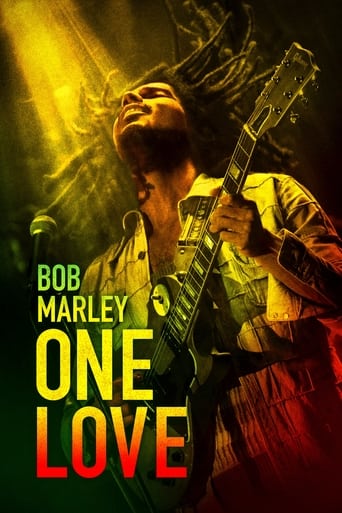
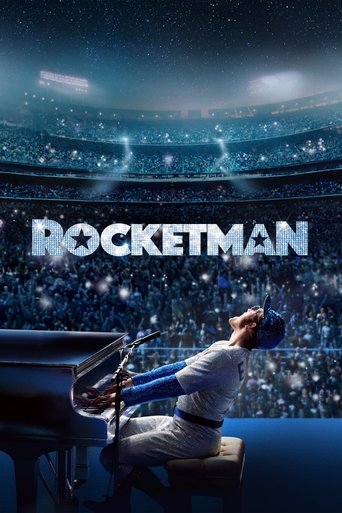
The biopics of singers hold most of the shelf. Elvis, by Baz Luhrmann, of 2022, with $289 million and 159 minutes, tells the life of Elvis Presley, played by Austin Butler, through his manager, Colonel Tom Parker, played by Tom Hanks; Rocketman, by Dexter Fletcher, of 2019, with $167 million, turns the life of Elton John, played by Taron Egerton, into a fantasy musical; Bob Marley: One Love, by Reinaldo Marcus Green, of 2024, with $181 million, follows the reggae singer, played by Kingsley Ben-Adir, through the years of Exodus; and La Vie en Rose, by Olivier Dahan, of 2007, in French, gave Marion Cotillard an Academy Award for the role of Édith Piaf. A Star Is Born, by Bradley Cooper, of 2018, with $436 million, the second biggest film of the shelf, tells a fictional story of the same kind: a fading country star, played by Cooper himself, discovers a young singer, played by Lady Gaga, whose song Shallow won an Academy Award.
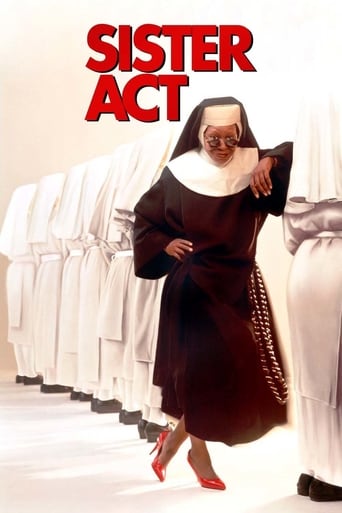
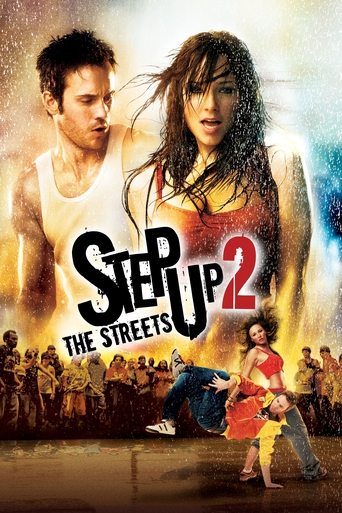
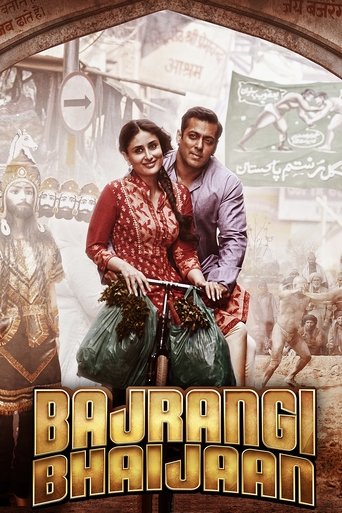
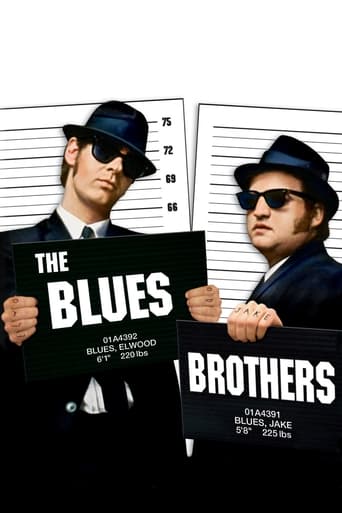
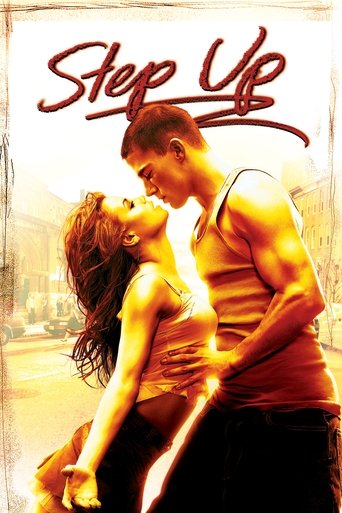
The rest of the shelf dances and sings for fun. Sister Act, by Emile Ardolino, of 1992, with $232 million, hides a lounge singer played by Whoopi Goldberg, a witness to a murder, in a convent, where she turns the nuns into a choir; Pitch Perfect 3, of 2017, with $185 million, sends the a cappella group of Anna Kendrick and Rebel Wilson on a tour of Europe; and the Step Up series holds three places, with Step Up, of 2006, with Channing Tatum, Step Up 2: The Streets, by Jon M. Chu, of 2008, and Step Up Revolution, of 2012. India gives the shelf Bajrangi Bhaijaan, by Kabir Khan, of 2015, with $150 million, in which Salman Khan plays a devotee of Hanuman who takes a mute Pakistani girl lost in India back across the border to her home, and the oldest film of the shelf is The Blues Brothers, by John Landis, of 1980, with $115 million, in which John Belushi and Dan Aykroyd put their band back together to save the orphanage where they grew up. The guide The music hits sums them up.
The dark side
The third family of the guide holds 52 films that together took about $25.1 billion, as TMDB records it, a smaller sum than the other two families, but on far smaller budgets. Its four shelves hold the dramas, the crime films, the thrillers and the horror films that crossed over from their own audience to the whole world, and many of its films were made for a fraction of the cost of a superhero film. Seven of its films reach a rating of 8 or more, from The Silence of the Lambs and Se7en to The Intouchables, Django Unchained and Oppenheimer.
Drama giants
The shelf Drama giants holds thirteen films from 1997 to 2024 that together took about $8.9 billion. At its head, far ahead of the rest, is Titanic, by James Cameron, of 1997, with $2.26 billion as TMDB records it, re-releases included, the oldest film of the shelf and for twelve years the biggest film in the world: a young artist, played by Leonardo DiCaprio, and a young woman of the upper class, played by Kate Winslet, fall in love aboard the liner that sank in the North Atlantic in April 1912. It won eleven Academy Awards, as many as The Return of the King after it, and at 194 minutes it is one of the longest films of the guide.
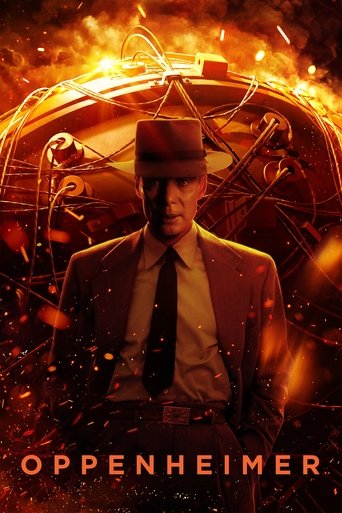
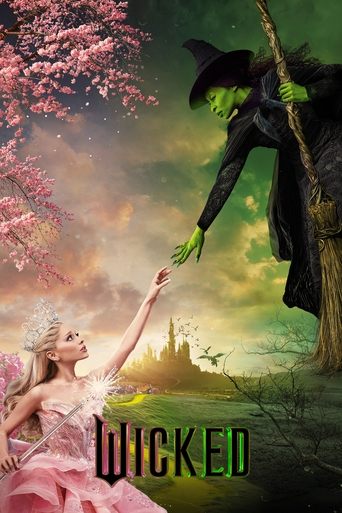
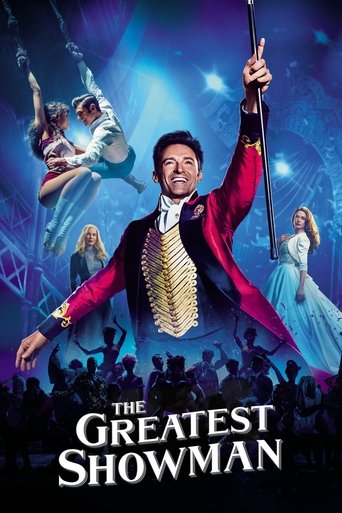
The second film of the shelf is Oppenheimer, by Christopher Nolan, of 2023, with $952 million, an 8.0 and 181 minutes, the winner of the Academy Award for best picture: Cillian Murphy plays J. Robert Oppenheimer, the physicist who led the building of the atomic bomb at Los Alamos, with Emily Blunt, Matt Damon and Robert Downey Jr., who won an Academy Award as Lewis Strauss. Wicked, by Jon M. Chu, of 2024, with $764 million, tells the story of the witches of Oz before Dorothy, with Cynthia Erivo as Elphaba and Ariana Grande as Glinda, and The Greatest Showman, by Michael Gracey, of 2017, with $459 million, gives Hugh Jackman the life of P. T. Barnum in songs.
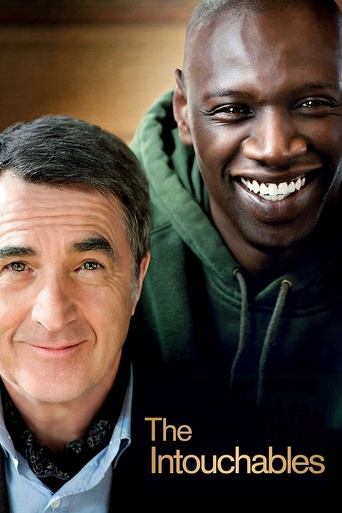
The best rated film of the shelf is French: The Intouchables, by Olivier Nakache and Éric Toledano, of 2011, with an 8.3 and $427 million on a budget of $13 million, the story of a rich quadriplegic of Paris, played by François Cluzet, and the young man of the suburbs who becomes his carer and friend, played by Omar Sy; it earned about 33 times its cost, one of the best returns of the guide. The King's Speech, by Tom Hooper, of 2010, with $414 million on a budget of $15 million, did almost as well, following King George VI, played by Colin Firth, and his speech therapist, played by Geoffrey Rush.
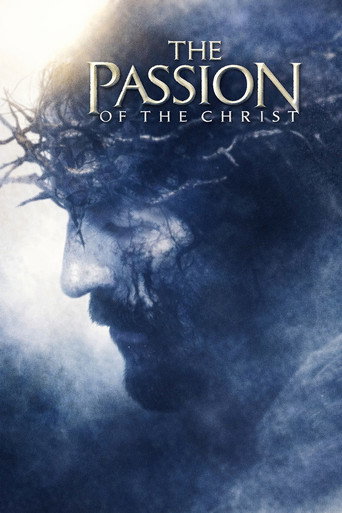
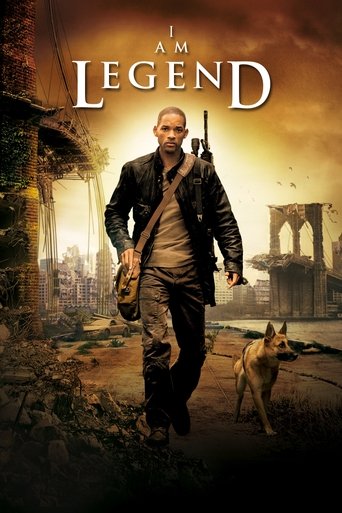
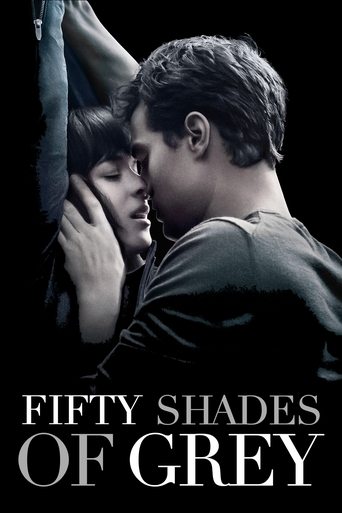
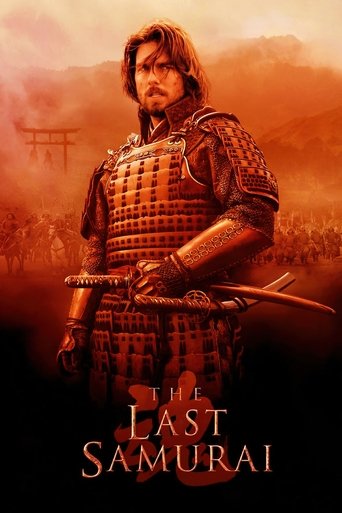
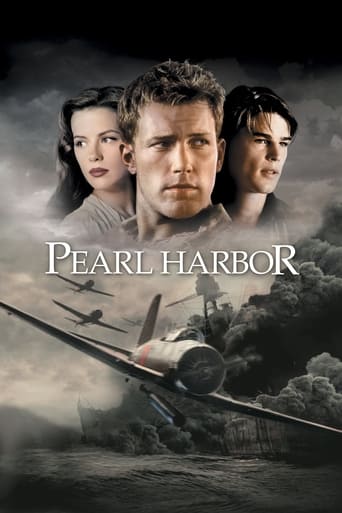
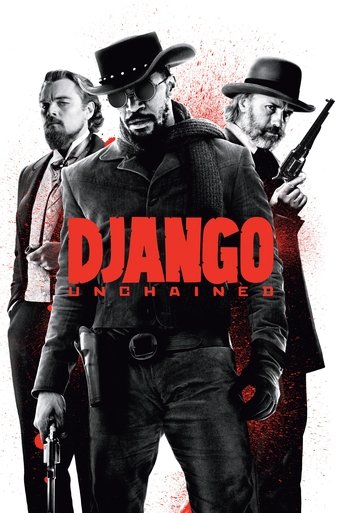
The rest of the shelf holds war, faith and desire. The Passion of the Christ, by Mel Gibson, of 2004, with $610 million on $30 million, tells the last twelve hours of Jesus in Aramaic, Hebrew and Latin; The Last Samurai, by Edward Zwick, of 2003, with $457 million, sends Tom Cruise to the Japan of the 1870s; Pearl Harbor, by Michael Bay, of 2001, with $449 million and 183 minutes, sets a love triangle against the attack of December 1941; and War for the Planet of the Apes, by Matt Reeves, of 2017, with $491 million, closes the trilogy of Caesar. I Am Legend, by Francis Lawrence, of 2007, with $585 million, leaves Will Smith as perhaps the last man in New York, and Fifty Shades of Grey, by Sam Taylor-Johnson, of 2015, with $570 million on $40 million and a 5.9, the lowest rating of the shelf, adapts the novel of E. L. James. Django Unchained, by Quentin Tarantino, of 2012, with $425 million and an 8.2, sends a freed slave and a German bounty hunter across the American South. The guide The drama hits sums them up.
Crime giants
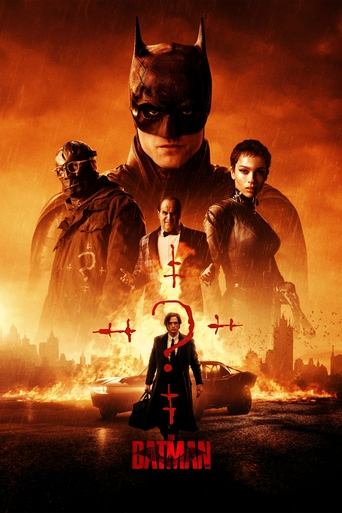
The shelf Crime giants holds thirteen films from 1991 to 2022 that together took about $5.5 billion, and it holds four films rated 8 or more, as many as the adventure shelf. Its biggest is Joker, by Todd Phillips, of 2019, with $1.08 billion on a budget of $55 million and an 8.1, the only film of the shelf to pass a billion: Joaquin Phoenix, who won an Academy Award, plays Arthur Fleck, a failed comedian of the Gotham of 1981 who turns into the Joker, with Robert De Niro as a talk show host. Batman returns at second place with The Batman, by Matt Reeves, of 2022, with $773 million and 177 minutes, in which Robert Pattinson hunts the Riddler, with Zoë Kravitz as Catwoman and Andy Serkis as Alfred.
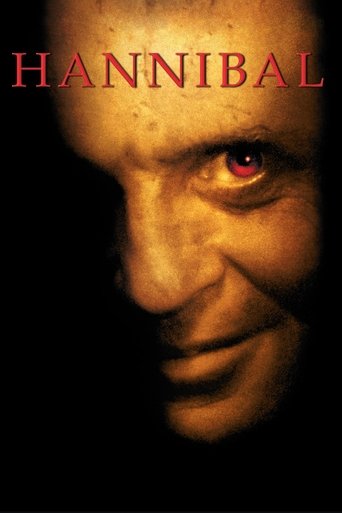
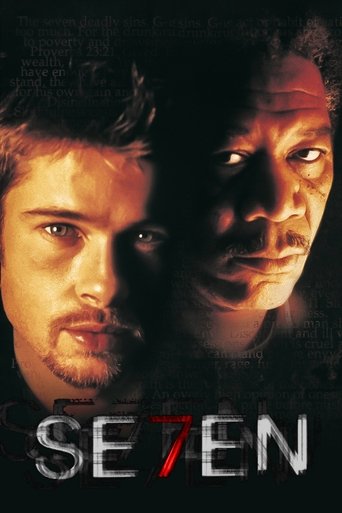
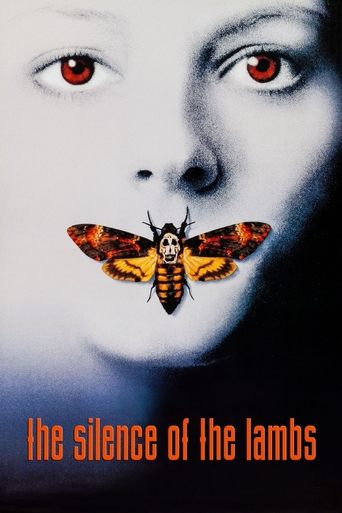
The best rated films of the shelf are two thrillers of serial killers from the 1990s. Se7en, by David Fincher, of 1995, with an 8.4 and $327 million on $33 million, sends two detectives, played by Morgan Freeman and Brad Pitt, after a killer who models his murders on the seven deadly sins; The Silence of the Lambs, by Jonathan Demme, of 1991, the oldest film of the shelf, with an 8.3 and $273 million on $19 million, the winner of the five main Academy Awards, sets the young FBI trainee Clarice Starling, played by Jodie Foster, face to face with Hannibal Lecter, played by Anthony Hopkins. Hopkins returns as Lecter in Hannibal, by Ridley Scott, of 2001, with $352 million, opposite Julianne Moore.
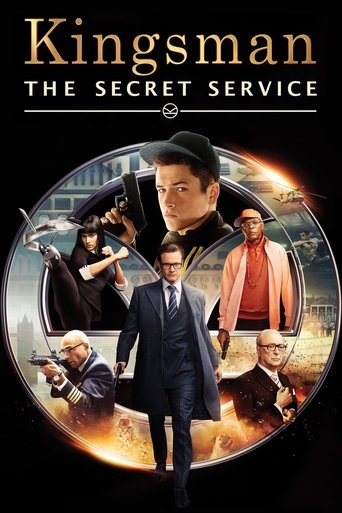
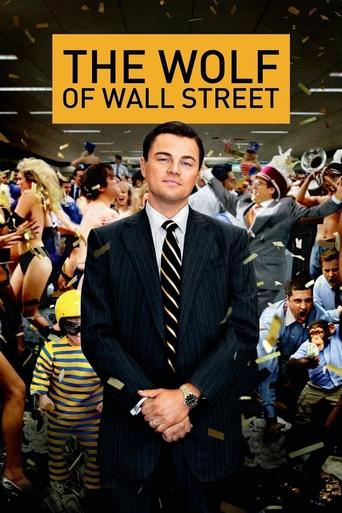
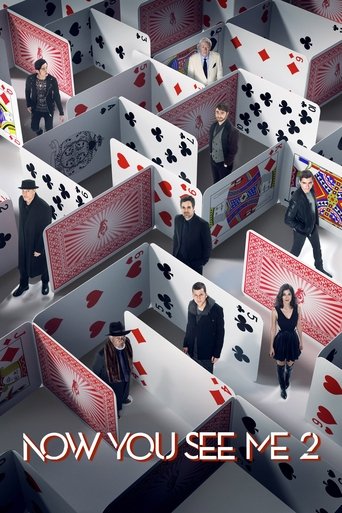
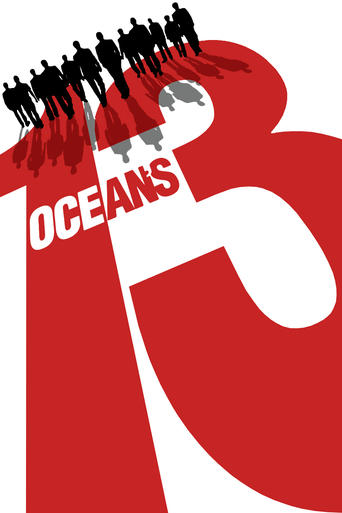
The Wolf of Wall Street, by Martin Scorsese, of 2013, with $407 million, an 8.0 and 180 minutes, follows the stockbroker Jordan Belfort, played by Leonardo DiCaprio, through the excesses of the 1990s. The comedies of crime fill the rest of the shelf. Matthew Vaughn's Kingsman: The Secret Service, of 2015, with $414 million, and Kingsman: The Golden Circle, of 2017, with $411 million, turn a young man of London, played by Taron Egerton, into a gentleman spy under Colin Firth; 22 Jump Street, of 2014, with $331 million, sends Jonah Hill and Channing Tatum undercover at college; Now You See Me 2, by Jon M. Chu, of 2016, with $335 million, brings back the magicians of the first film; and Ocean's Thirteen, of 2007, with $311 million, and Ocean's Eight, of 2018, with $298 million, carry on the heists of Danny and Debbie Ocean. Public Enemies, by Michael Mann, of 2009, with $214 million, closes the shelf with Johnny Depp as the bank robber John Dillinger and Christian Bale as his hunter. The guide The crime hits sums them up.
Thriller giants
The shelf Thriller giants holds thirteen films from 1987 to 2020 that together took about $5.4 billion, with an average rating of 6.75, the lowest of the guide: the thriller that fills the cinemas is often a puzzle or a chase rather than a masterpiece. Its biggest film is The Da Vinci Code, by Ron Howard, of 2006, with $760 million, from the novel of Dan Brown, in which the professor of symbology Robert Langdon, played by Tom Hanks, and the cryptologist Sophie Neveu, played by Audrey Tautou, follow a trail of clues from the Louvre to the secret of the Holy Grail. Its sequel, Angels & Demons, of 2009, with $486 million, sends Langdon to the Vatican during the election of a new pope.
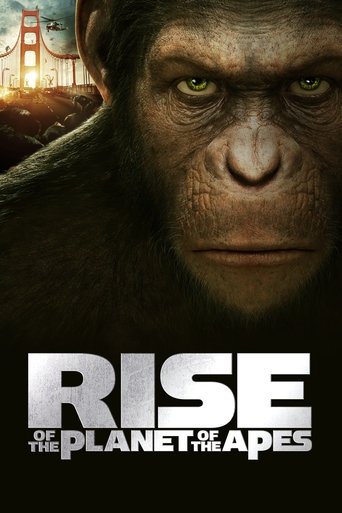
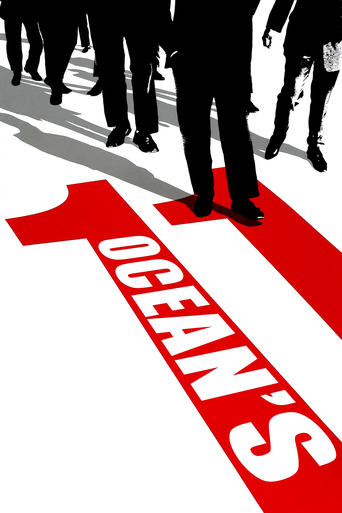
The best rated film of the shelf is Ocean's Eleven, by Steven Soderbergh, of 2001, with a 7.5 and $451 million, the robbery of three Las Vegas casinos on the same night by George Clooney, Brad Pitt, Matt Damon and their crew; its sequel, Ocean's Twelve, of 2004, with $363 million, sits on the same shelf, while Ocean's Thirteen and Ocean's Eight, whose first genre on TMDB is crime, sit on the shelf before. The apes have two films here as well: Rise of the Planet of the Apes, by Rupert Wyatt, of 2011, with $482 million, the origin of Caesar, played by Andy Serkis, in a laboratory of San Francisco, and the Planet of the Apes of Tim Burton, of 2001, with $362 million and a 5.8, the lowest rated film of the guide, a remake of the classic of 1968 with Mark Wahlberg.
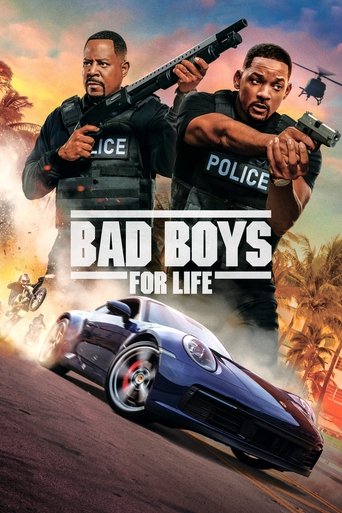
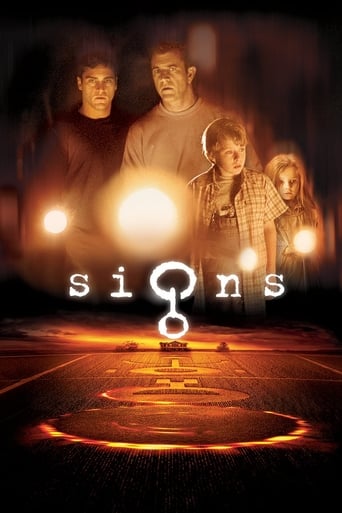
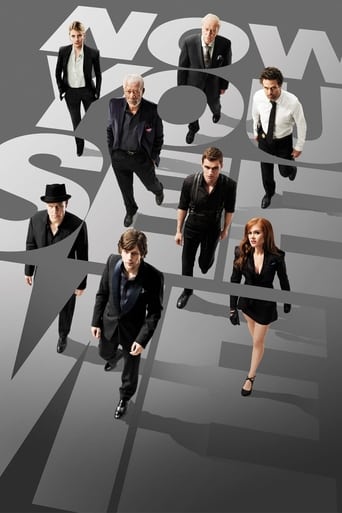
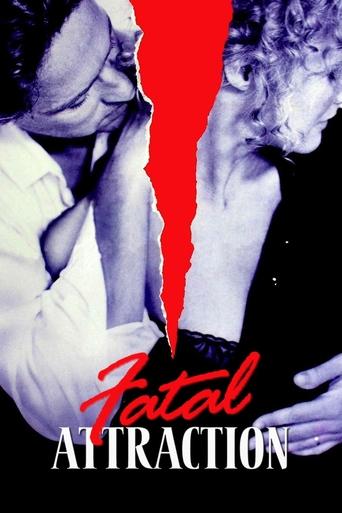
The rest of the shelf spans four decades. Fatal Attraction, by Adrian Lyne, of 1987, the oldest film of the shelf, with $320 million on a budget of $14 million, turns a weekend affair of a married lawyer, played by Michael Douglas, into a nightmare when the woman, played by Glenn Close, refuses to let him go; Douglas returns in Basic Instinct, by Paul Verhoeven, of 1992, with $353 million, as a detective drawn to a novelist suspected of murder, played by Sharon Stone. Signs, by M. Night Shyamalan, of 2002, with $408 million, sets a farmer and former priest, played by Mel Gibson, against the crop circles and the visitors that follow them; Now You See Me, by Louis Leterrier, of 2013, with $352 million, sends four stage magicians to rob a bank in the middle of a show; and Bad Boys for Life, of 2020, with $427 million, the newest film of the shelf, brings back Will Smith and Martin Lawrence seventeen years after the second film.
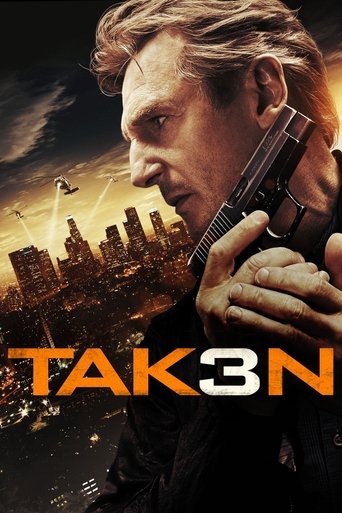
The last places go to action thrillers. Taken 3, by Olivier Megaton, of 2014, with $326 million, puts Liam Neeson on the run after the murder of his former wife, and Battleship, by Peter Berg, of 2012, with $303 million on a budget of $209 million, sends the fleet of the US Navy against alien ships off Hawaii; it earned about 1.4 times its budget, the smallest return of the guide. The guide The thriller hits sums them up.
Horror giants
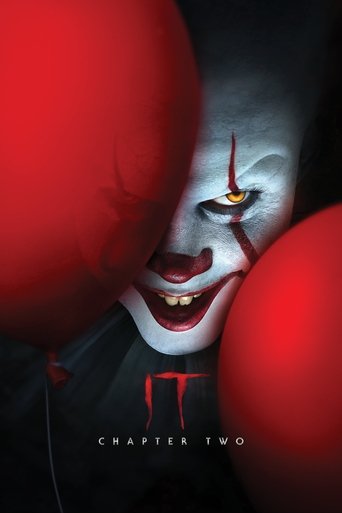
The shelf Horror giants holds thirteen films from 1973 to 2025 that together took about $5.3 billion on budgets of only about $520 million, about ten times its cost, the best return of any shelf of the guide: horror films are cheap to make, and the biggest of them earn many times their cost. The biggest is It, by Andy Muschietti, of 2017, with $720 million on a budget of $35 million, from the novel of Stephen King, in which the children of the Losers' Club of Derry, Maine, face the shape-shifting clown Pennywise, played by Bill Skarsgård; its second part, It Chapter Two, of 2019, with $473 million, brings them back as adults twenty-seven years later, with Jessica Chastain and James McAvoy.
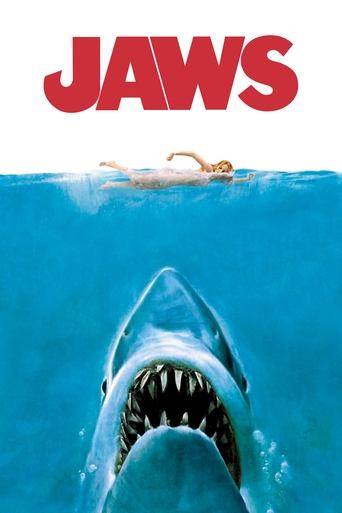
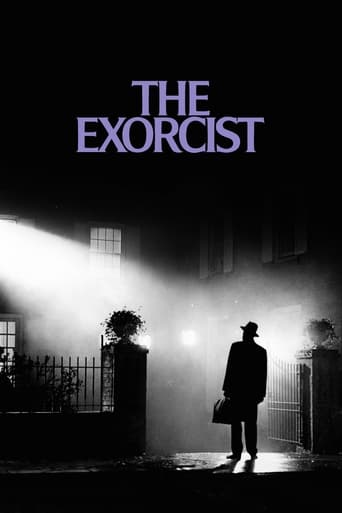
The oldest films of the shelf are its best. The Exorcist, by William Friedkin, of 1973, with a 7.8 and $431 million on a budget of $11 million, the best rated film of the shelf, follows the possession of a girl of twelve, played by Linda Blair, in Georgetown, and the two priests who come to save her; Jaws, by Steven Spielberg, of 1975, with a 7.7 and $471 million on a budget of $7 million, the first summer blockbuster, sets a police chief, played by Roy Scheider, a marine biologist and an old shark hunter against a great white shark off the island of Amity. Jaws earned about 67 times its budget as TMDB records it, the second best return of the guide after The Jungle Book.
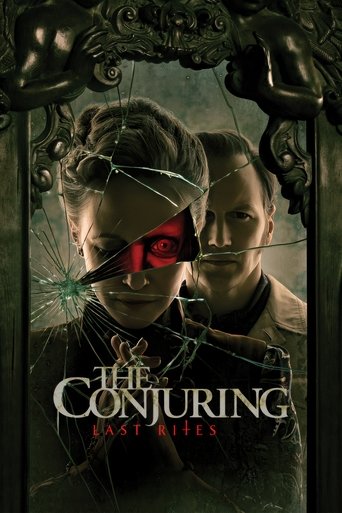
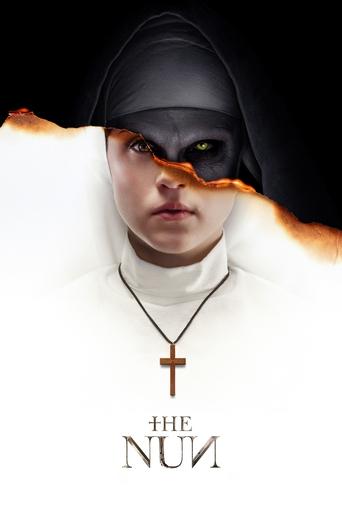
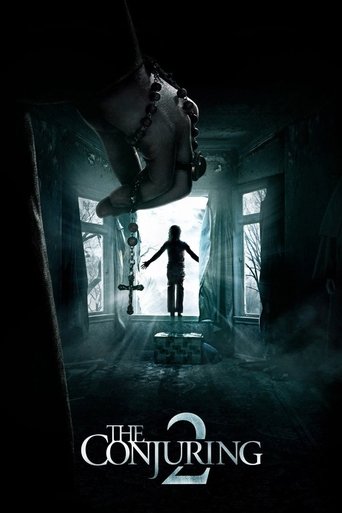
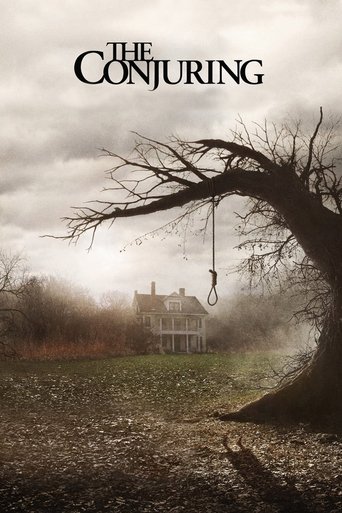
The Conjuring universe of James Wan and his producers holds five of the thirteen places: The Conjuring, of 2013, with $321 million on a budget of $13 million, and The Conjuring 2, of 2016, with $323 million, both directed by Wan, follow the paranormal investigators Ed and Lorraine Warren, played by Patrick Wilson and Vera Farmiga; The Conjuring: Last Rites, by Michael Chaves, of 2025, with $499 million, the second biggest film of the shelf, closes their story; The Nun, by Corin Hardy, of 2018, with $366 million, takes the demon Valak to a convent of Romania; and Annabelle: Creation, by David F. Sandberg, of 2017, with $307 million, tells the origin of the haunted doll.
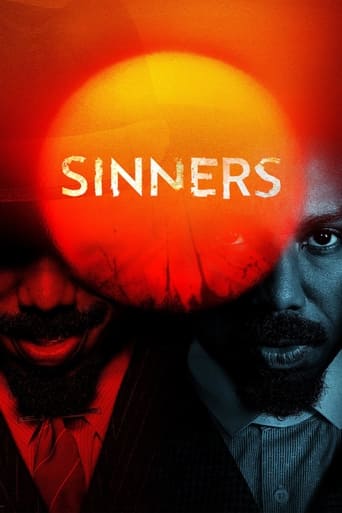
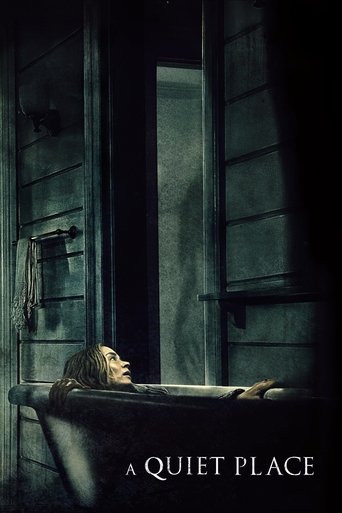
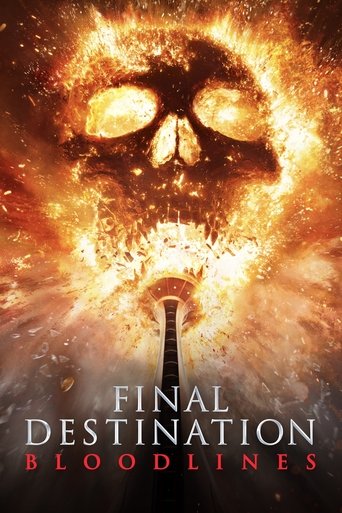
The newest horror giants are among the most inventive. Sinners, by Ryan Coogler, of 2025, with $371 million and a 7.5, sets Michael B. Jordan, in a double role as twin brothers, against vampires in the Mississippi Delta of 1932, to the blues; A Quiet Place, by John Krasinski, of 2018, with $341 million on a budget of $17 million and 91 minutes, the shortest film of the shelf, follows a family that must live in silence to survive creatures that hunt by sound, with Emily Blunt and Krasinski himself; Alien: Romulus, by Fede Álvarez, of 2024, with $351 million, sends young colonists aboard an abandoned space station; and Final Destination Bloodlines, of 2025, with $318 million, returns to the series of escaped deaths fourteen years after the last film. The guide The horror hits sums them up.
The billion-dollar club
Forty-six films of the guide grossed a billion dollars or more, as TMDB records it, and the collection Billion-dollar films gathers them, biggest first. All thirteen action films and all thirteen adventure films belong to it, with seven family films, six animated films, four science fiction films and a single film each among the comedies, the dramas and the crime films: Barbie, Titanic and Joker. Seven films passed two billion: Avengers: Endgame, Avatar, Avatar: The Way of Water, Ne Zha 2, Titanic, Star Wars: The Force Awakens and Avengers: Infinity War. Titanic, of 1997, is the oldest member of the club, and the films of the 2010s fill most of it. The guide The billion-dollar club lists them.
The best returns
Set against their budgets, as TMDB records both, the films of the guide earned about six times their cost on average. The best return belongs to The Jungle Book, of 1967, which TMDB credits with about 95 times its budget of $4 million, a figure built on decades of re-releases; Jaws follows with about 67 times, The Exorcist with about 39, The Intouchables with about 33, Ne Zha 2 with about 28, The King's Speech with about 28 and Home Alone with about 27. At the other end, Battleship earned about 1.4 times its budget, Public Enemies about 2.1 times and Star Wars: The Rise of Skywalker, with the largest budget of the guide, $490 million, about 2.2 times. By shelf, the horror films did best, at about ten times their cost, and the fantasy films least well, at about four. The guide The best returns sets out the multiples.
The directors
James Cameron is the director of the giants: his four films, Titanic and the three Avatar films, took about $9 billion between them, and three of the seven films of the guide that passed two billion are his. James Wan and Michael Bay have four films each, Wan with Furious 7, Aquaman and the first two Conjuring films, Bay with three Transformers films and Pearl Harbor. Anthony and Joe Russo directed three films together, Captain America: Civil War, Avengers: Infinity War and Avengers: Endgame, and Todd Phillips, David Yates, Tim Burton, Steven Soderbergh, Matt Reeves and Jon M. Chu have three each; Reeves, Burton and Chu spread their three films across three different shelves. The guide The directors lists them.
The stars
Counted on the cast lists of TMDB, two actors appear in eight films each. Don Cheadle has five Marvel films, from Iron Man 3 to Avengers: Endgame, and the three Ocean's films; Andy Serkis, the great performer of motion capture, plays Gollum in The Return of the King, Caesar in the three Planet of the Apes films, Snoke in two Star Wars films and the arms dealer Klaue in Black Panther, and appears in his own face as Alfred in The Batman. Six actors have seven films: Robert Downey Jr., Samuel L. Jackson, Zoe Saldaña, who stars in all three Avatar films and in four Marvel films, Tom Hanks, with Forrest Gump, three Toy Story films, two Robert Langdon films and Elvis, Stellan Skarsgård and Alan Tudyk, the voice actor of Disney's animated films. The guide The stars lists them.
The franchises
Almost every giant belongs to a series. The Marvel films hold fifteen places, the Avatar saga three, Star Wars three, the Jurassic World films three, the Planet of the Apes films four, the Toy Story films three, the films of Gru and the Minions four, the Conjuring universe five, the Ocean's films four and the Transformers three. A few giants still stand alone, among them Titanic, Forrest Gump, Oppenheimer, Barbie and The Intouchables. The guide The franchises sorts them.
WatchMoviesOnline in figures
The 156 films of the guide took about $125.5 billion in worldwide gross, as TMDB records it, on budgets of about $19.7 billion. They carry about 1,912,000 votes on TMDB, with an average rating of 7.19, and eighteen of them reach 8, led by Forrest Gump and The Return of the King with an 8.5 each. By decade, the guide holds one film of the 1960s, two of the 1970s, two of the 1980s, eight of the 1990s, 29 of the 2000s, 82 of the 2010s and 32 of the 2020s, so that more than half of the giants date from the 2010s. Together the films last about 19,500 minutes, more than 324 hours; the longest is The Return of the King, with 201 minutes, and the shortest The Jungle Book, with 78. Most of the films are American, 124 by first production country, with fourteen from Britain and three from China, and five are in other languages than English: two in French, two in Mandarin and one in Hindi. The guide The figures gathers every number.
The look of WatchMoviesOnline
The design follows the page of watchmoviesonline.co as the Internet Archive kept it on 11 September 2017, with its style sheets of November 2016: a WordPress site on a template in the style of RocketTheme, with a page of deep maroon, #170505, a navigation bar of #572728 below the logo, a showcase of featured films with their synopsis, and a right column of widgets on #2D1414, each titled in white capitals on a bar of #4A2B2B, with grey links that turn white under the mouse and orange links, #DF7746, in the text. Its background image of circles was lost, and a soft glow of maroon takes its place. Here the ALL TIME TOP 10 widget becomes the All Time Top list of the twelve shelves, and each shelf sits in a widget box under its title bar. The guide The look of WatchMoviesOnline explains each colour.
Where to begin
For a first evening, start with one giant from each family: Avatar for spectacle, Finding Nemo for laughter, song and family and Titanic for the dark side. Then try the best rated giant of each shelf: Top Gun: Maverick, The Return of the King, Dune: Part Two, the How to Train Your Dragon of 2025, Ne Zha 2, Coco, Forrest Gump, Bohemian Rhapsody, The Intouchables, Se7en, Ocean's Eleven and The Exorcist. Anyone who likes a long evening can follow the Avengers from the first film to Endgame, and anyone who likes the old giants can start with Jaws and The Jungle Book.
How to use WatchMoviesOnline
The home page opens with the introduction, the twelve shelves in the wide column and the All Time Top list on the right. Each entry of the list shows the family, the shelf and its number of films, and leads to its box; each box holds twelve posters and a Watch all link that opens the full shelf. The menu in the header leads to the three families, and the search box finds any film by its title; the guide Search tips explains how. Each poster carries the worldwide gross of the film on a maroon band, and under it come the title, the first genre and the running time.
The film page has the English synopsis, the cast, the director and the genres. The Watch now button opens the film on JustWatch, which shows the services that offer it in your country, and the button Add to My List keeps it in My list, stored in your browser. The guide How to use WatchMoviesOnline explains each part, and the guide The Watch now button explains how JustWatch works.
Questions
What is WatchMoviesOnline
An English guide to the box-office giants: the thirteen highest-grossing films of twelve genres, 156 films in all.
Where do the grosses come from
From TMDB, which records the worldwide gross of each film in dollars of the year of release.
Which film grossed the most
Avengers: Endgame, of 2019, with $2.94 billion as TMDB records it.
How many films passed a billion dollars
46 of the 156.
Which films are the best rated
Forrest Gump and The Lord of the Rings: The Return of the King, with an 8.5 each.
Which director appears most often
James Cameron, James Wan and Michael Bay, with four films each.
Which is the oldest film
The Jungle Book, of 1967.
Which actors appear most often
Don Cheadle and Andy Serkis, with eight films each.
Where can I watch the films
The Watch now button opens each film on JustWatch, which shows the services that offer it in your country.
Where is My list kept
In your browser, on the device where you create it.
